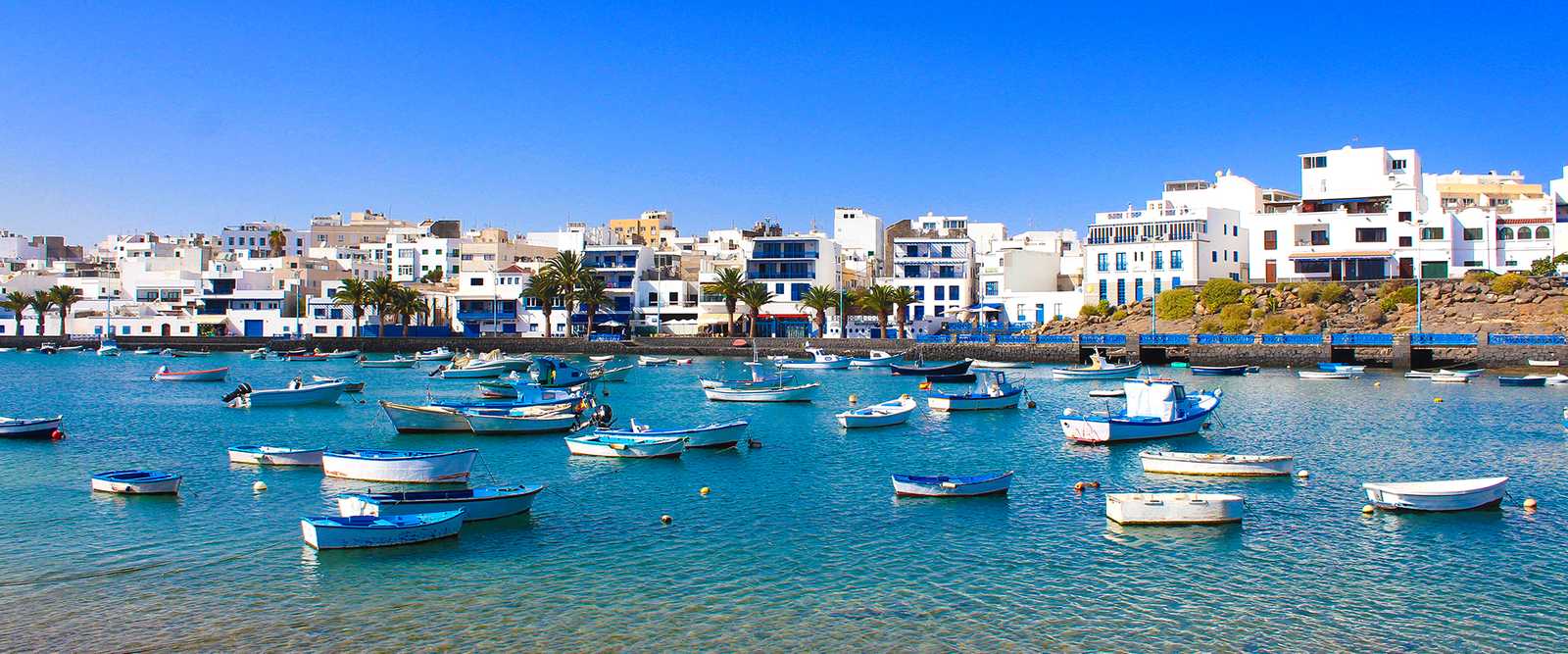
Lanzarote is the Canary Islands' fourth largest island, nestled peacefully in the Atlantic Ocean, approximately 125 kilometres from the African coast. Although it is said to be the first island to be populated, its disastrous volcanic history has shaped much of its current character. Given the island's beaches and sun-drenched volcanic slopes, it is not surprising that Lanzarote is a popular holiday destination. There are numerous attractions in Lanzarote, ranging from generating geysers at Timanfaya to unravelling history through the eyes of César Manrique. The northernmost Canary Island's lunar-like scenery, recognised as a UNESCO Biosphere Reserve, provides a unique setting for travellers visiting beach destinations like Puerto del Carmen, Costa Teguise, and Playa Blanca. Capital- Arrecife International Airport: César Manrique-Lanzarote Airport (ACE) Population- 155,812 Currency- Euro Time: GMT+1 hour Driving side- Right Official Language- Spanish Religion- Roman Catholic
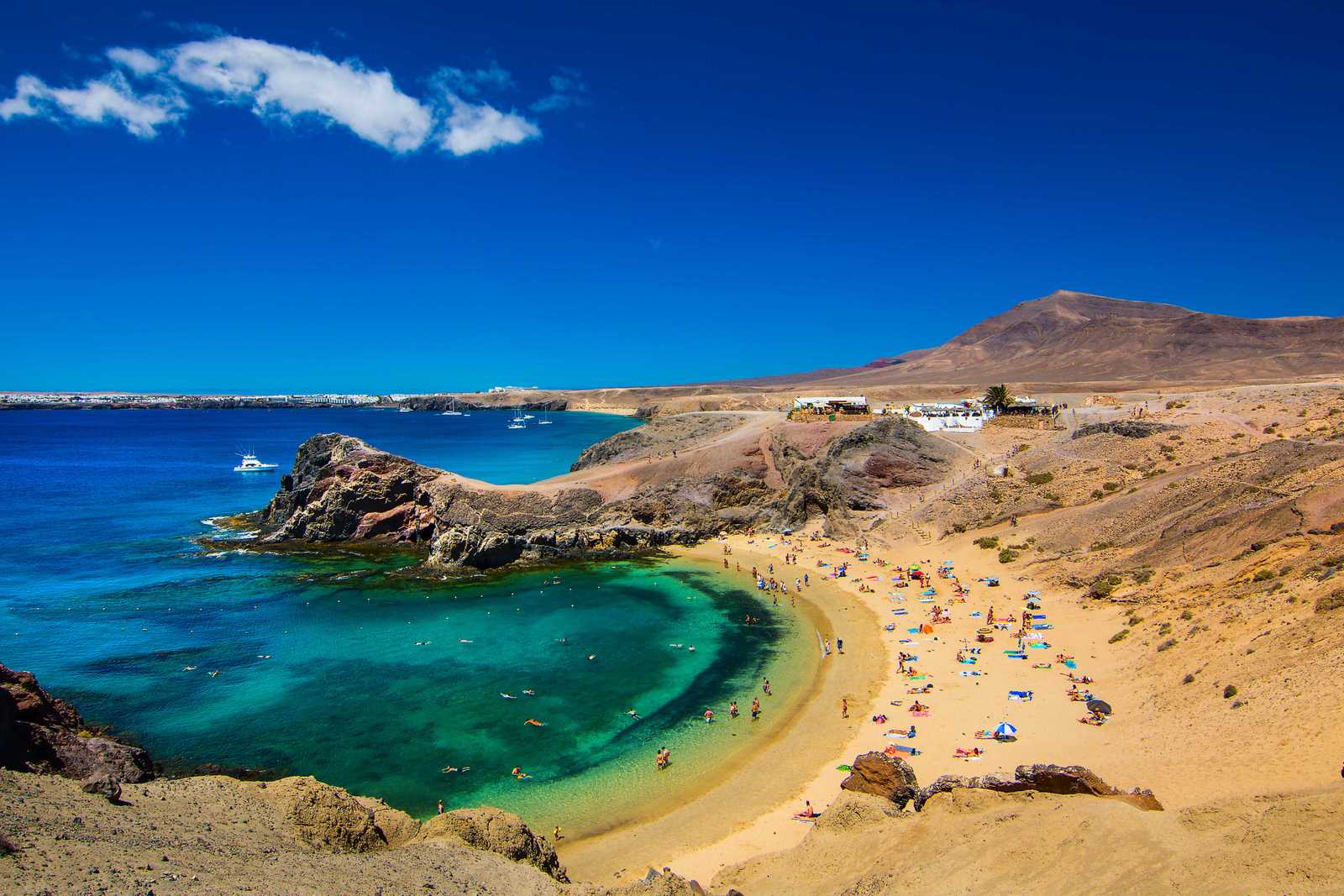
The beaches on Lanzarote are well-known. The postcard-perfect environment of beautiful white sands and tranquil blue waves is more reminiscent of the "The Beach" scene than an Atlantic Island. Teguise, Lanzarote's first capital, is a lovely village with colonial architecture. Teguise's streets come alive on Sundays, with a massive street market providing a diverse range of items and fresh fruit. La Graciosa is a small island in the Canary Islands off the coast of Lanzarote. The island has only 600 people, and no road is a perfect example of the Canary Islands' natural splendour. Despite its volcanic ground and dry conditions, Lanzarote is surprisingly ripe for wine production. The grapes benefit from the warm sun in the day and condensation in the sand at night.