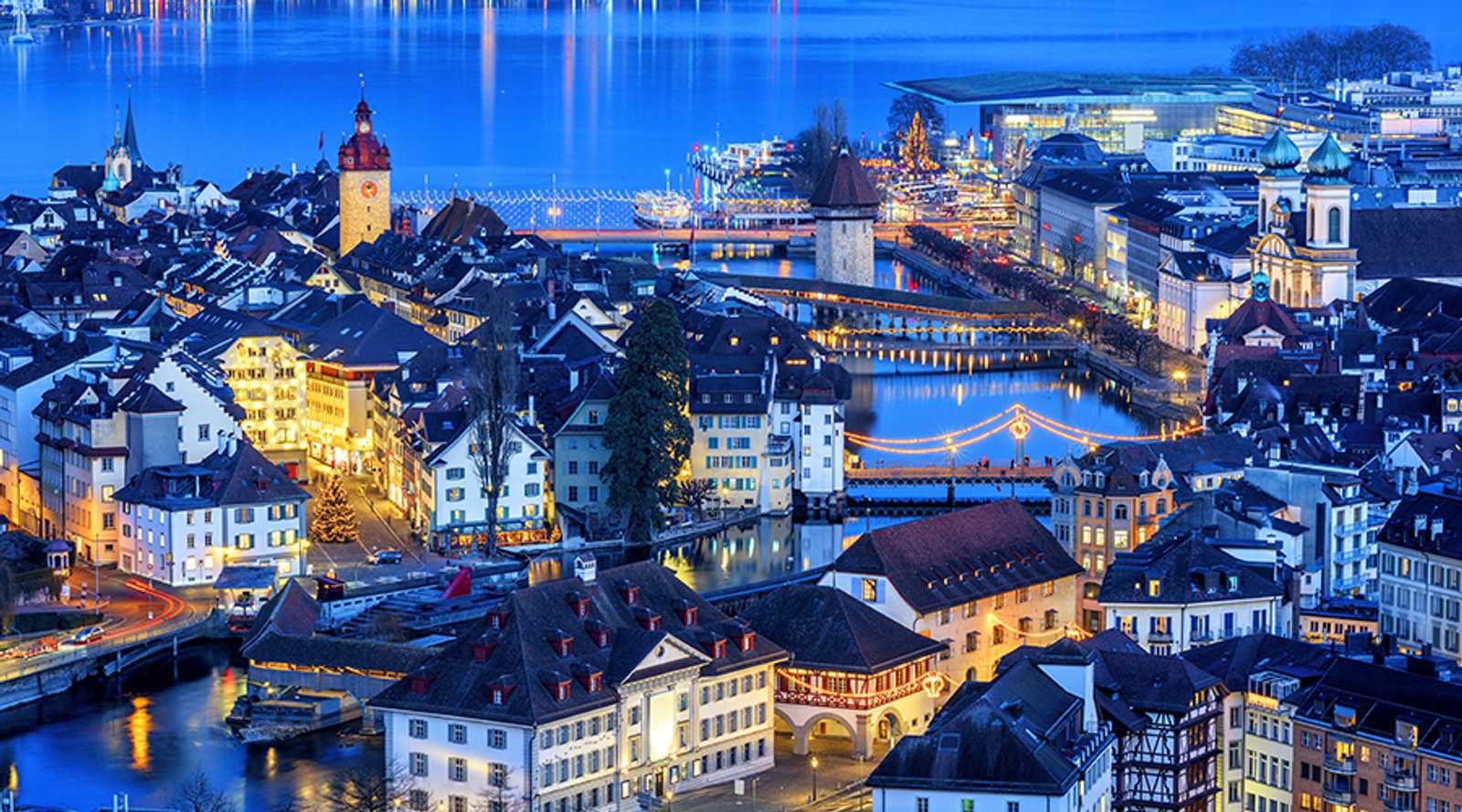
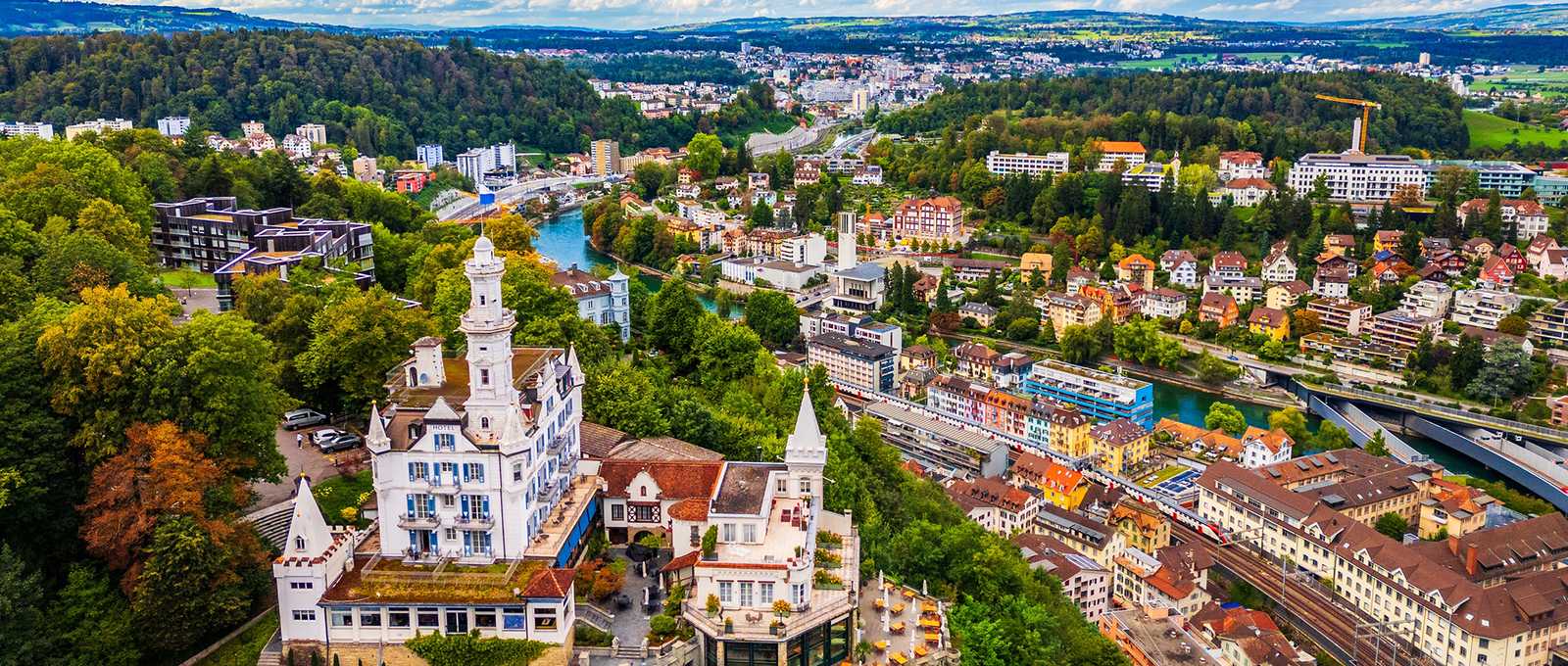
For most visitors to Switzerland, the city of Lucerne (Luzern in German) is a popular stop. The city is known for its beautiful medieval architecture and beautiful location on the edge of Lake Lucerne, surrounded by snow-capped mountains. Many visitors to Switzerland stop in Lucerne for a few days. Lucerne (German: Luzern) is located at the north end of Lake Lucerne (Vierwaldstätter See), where the River Reuss emerges. With its well-preserved medieval core, elegant historic buildings, and friendly atmosphere, the town is one of Switzerland's most popular tourist destinations. Many visitors come to hear world-renowned conductors, soloists, and orchestras perform at the annual summer music festival, as well as other festivals featuring blues, piano, and even marching bands. St. Leodegar's Benedictine monastery was founded around 730, and Luciaria was the first town mentioned in 840. Only after the opening of the St. Gotthard pass through the Alps in the 13th century, when its location made it a significant trading town, did Lucerne become significant. The old town and all of the major sights are within walking distance of the rail station, making Lucerne a compact and easy city to explore. Lucerne's location as a base for some of Europe's most spectacular Alpine rides, with easy access to Mt. Rigi, Mt. Pilatus, Mt. Titlis, and Jungfraujoch, is the most attractive feature for tourists who enjoy mountain scenery. Capital: Lucerne International Airport: Zurich International Airport (ZRH) Population: 82,000 Currency: Swiss franc Time: UTC/GMT +1 hour Driving side: Right Main Electricity: 230 V Official Language: German Religion: Catholic.
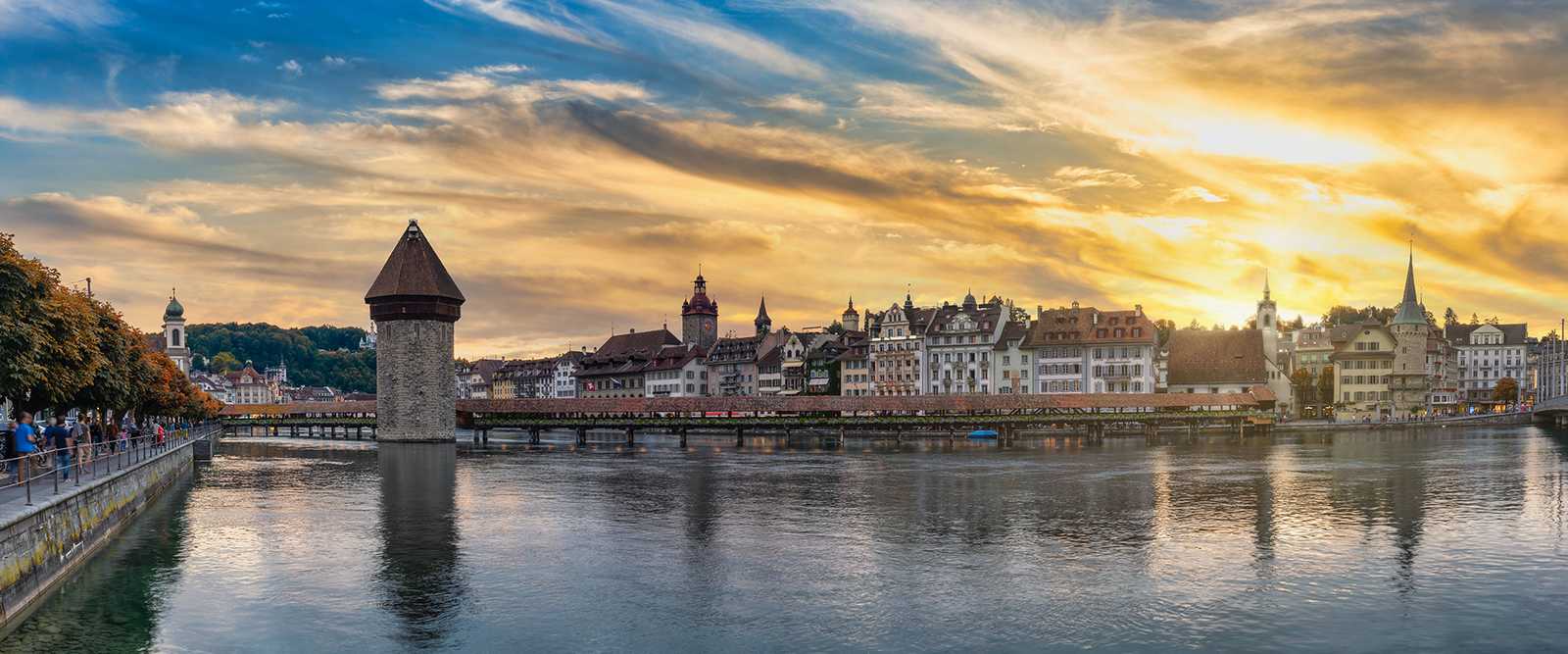
It would be a pity to miss the trip up Mount Pilatus by cableway from Kriens and down by cog-railroad while in Lucerne. The Kapellbrücke, a covered wooden bridge that runs diagonally across the Reuss, is Lucerne's most iconic sight. Many old burghers' houses and small squares with fountains can still be found in Lucerne's Old Town, which is located on the right bank of the Reuss. Riding the cog railway from the shores of Lake Lucerne to an elevation of 1,798 meters on Mt Rigi is one of Switzerland's signature experiences. A wall built between 1350 and 1408, with nine towers in various styles, runs along the north side of Lucerne's old town.