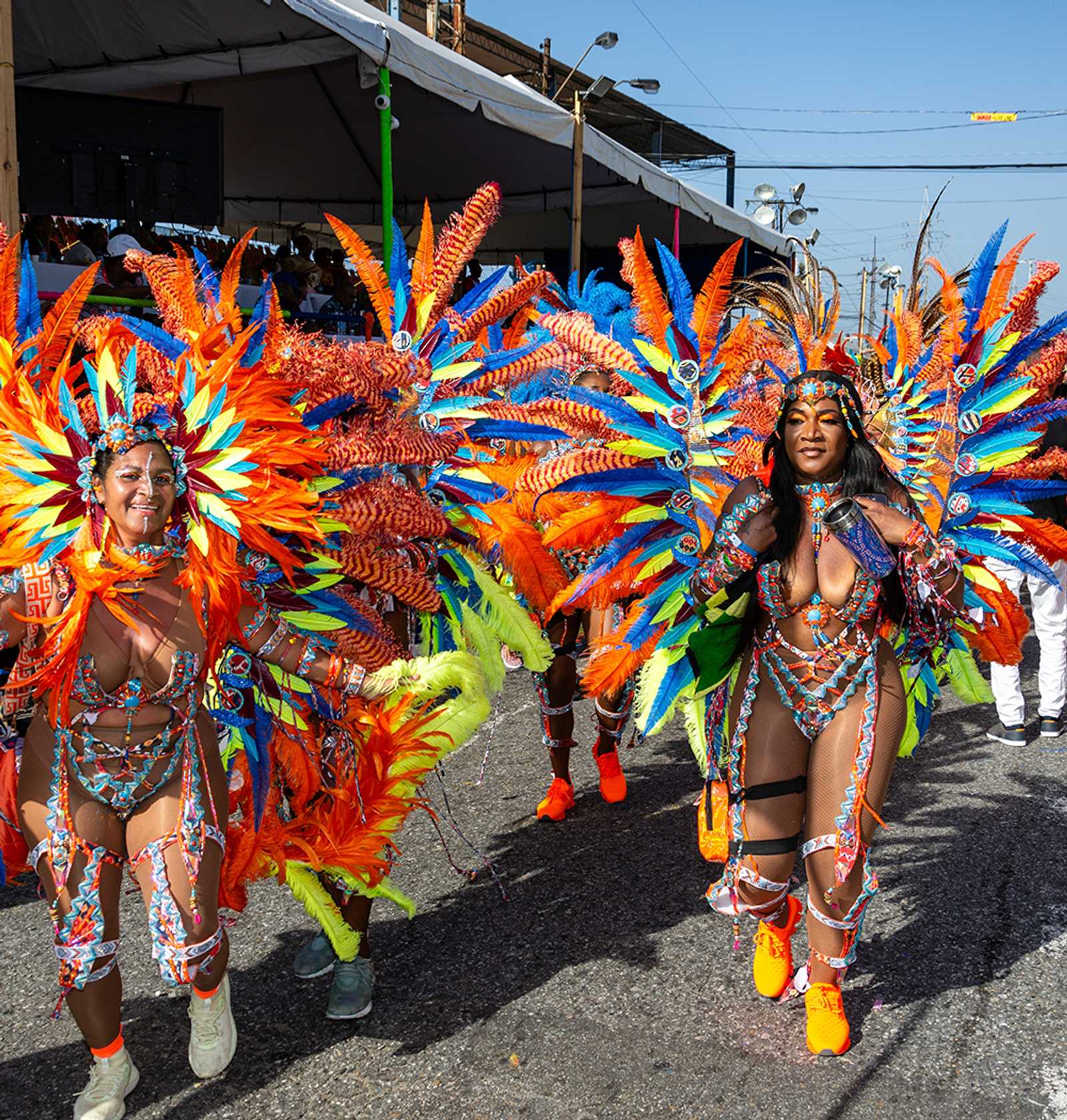
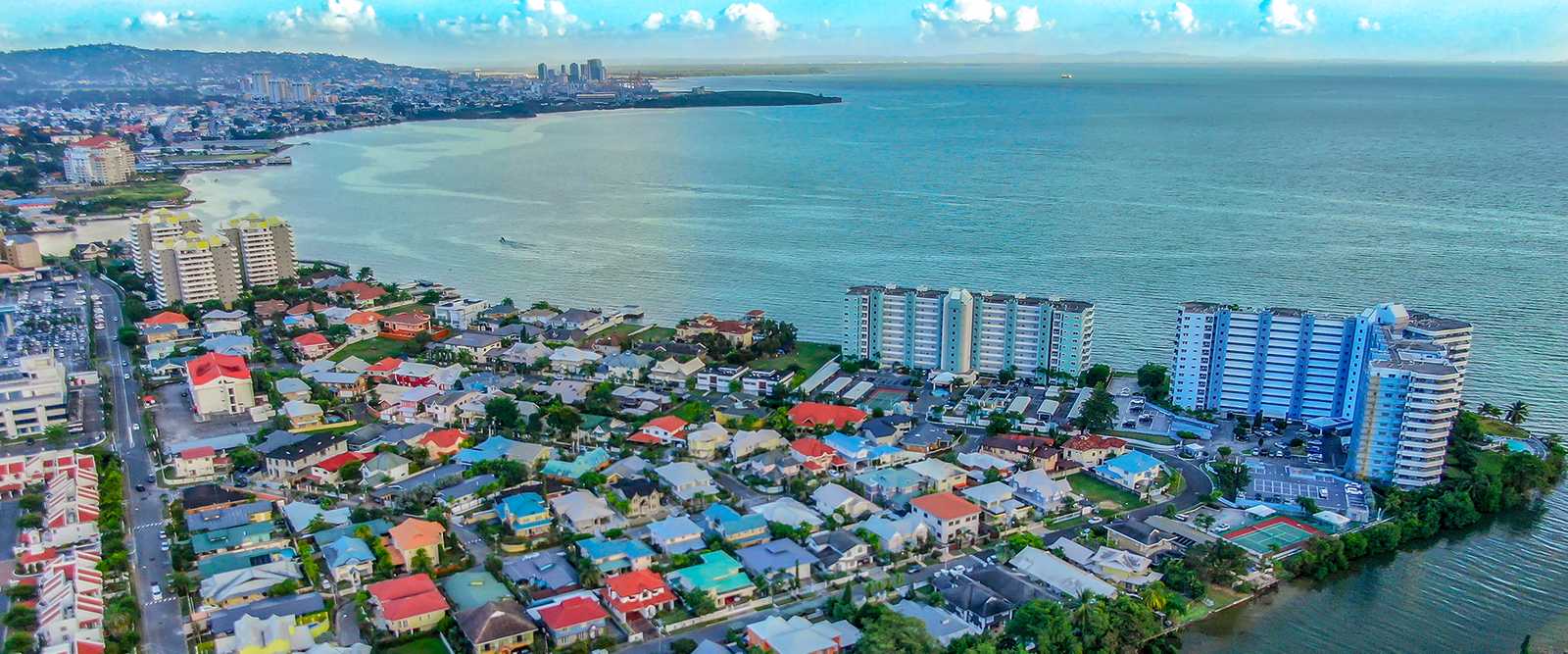
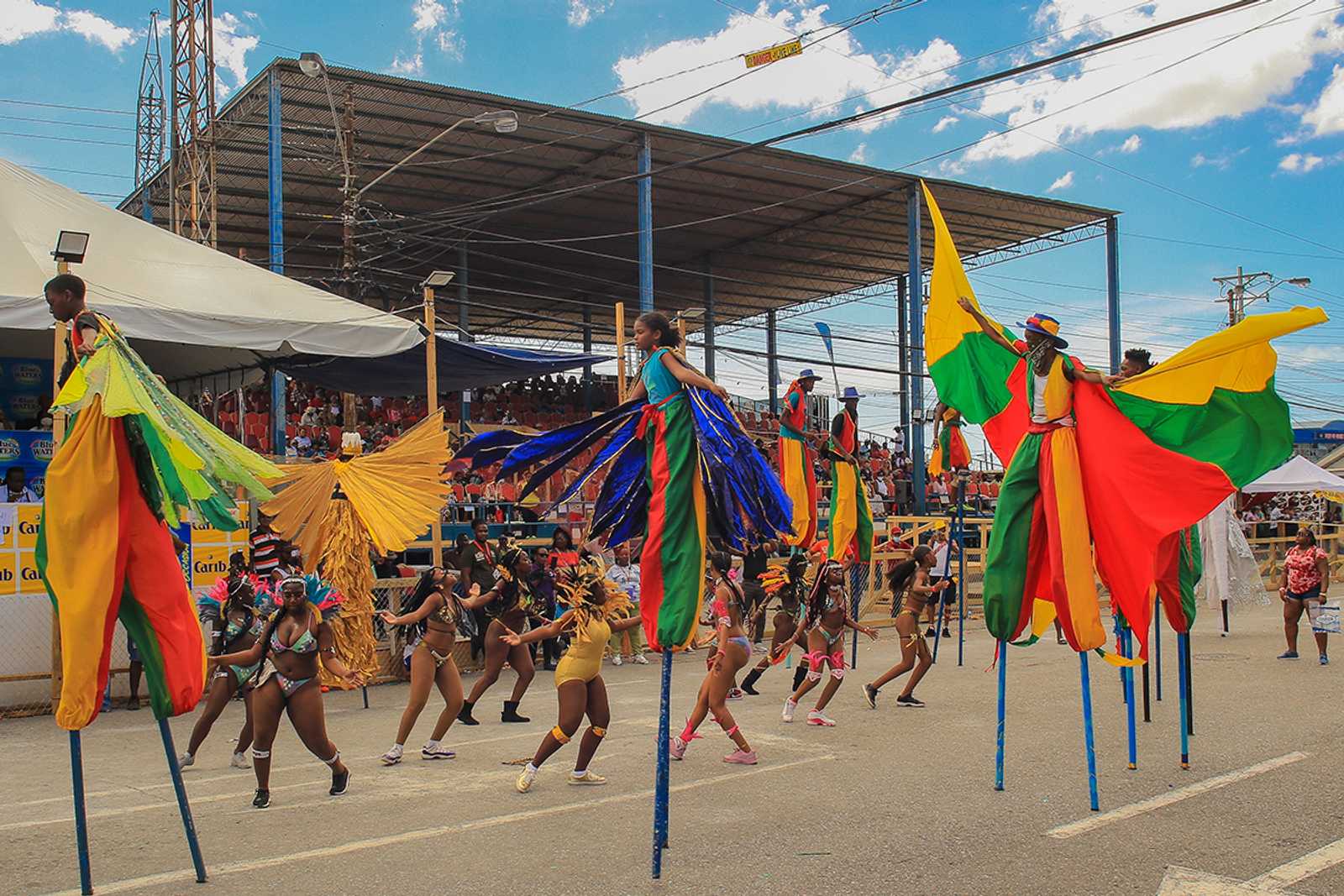
Trinidad and Tobago is a single nation made up of two islands. Trinidad is the busier of the two and the southernmost of the West Indian islands, which is close to Venezuela. Impressive colonial and Renaissance-style buildings can be found throughout the vibrant metropolis of Port of Spain, which also has a unique cultural fusion of Creoles, Africans, Amerindians, Europeans, and East Indians. Three mountain ranges covered in the forest cut the island in half, creating three famous beaches with palm trees nearby. Tobago is Trinidad's younger, less developed sister and is naturally stunning. The main tourist attractions in this area are its rainforests, reefs, and white-sand beaches, which provide fantastic opportunities for diving and snorkelling. The islands draw a lot of independent travellers who value the laid-back atmosphere and dramatic topography. Both islands are especially well-known for their fantastic birding, with various avian species from nearby South America enhancing the biodiversity. The Carnival in Trinidad and Tobago, which takes place the Monday and Tuesday before Ash Wednesday, is also well-known. Capital- Port of Spain International Airport - Piarco International Airport (POS) Population- 1,531,044 Currency- Trinidad and Tobago dollar Time - UTC -4 Driving side- Right Main electricity- 230V Official language - English Religion- Christian
Be sure to visit the active fishing community of Parlatuvier Bay in Tobago. Manzanilla Beach is one of Trinidad and Tobago's top tourist destinations due to its unique location away from more populated areas. The Nylon Pool is unquestionably one of Trinidad and Tobago's most stunning tourist destinations. It is a short distance from Pigeon Point Beach on Tobago. Maracas Bay, one of the island's most stunning beaches, is situated on Trinidad. Your two-and-a-half-hour hike to Paria Bay should include a stop at the Parai Waterfall.