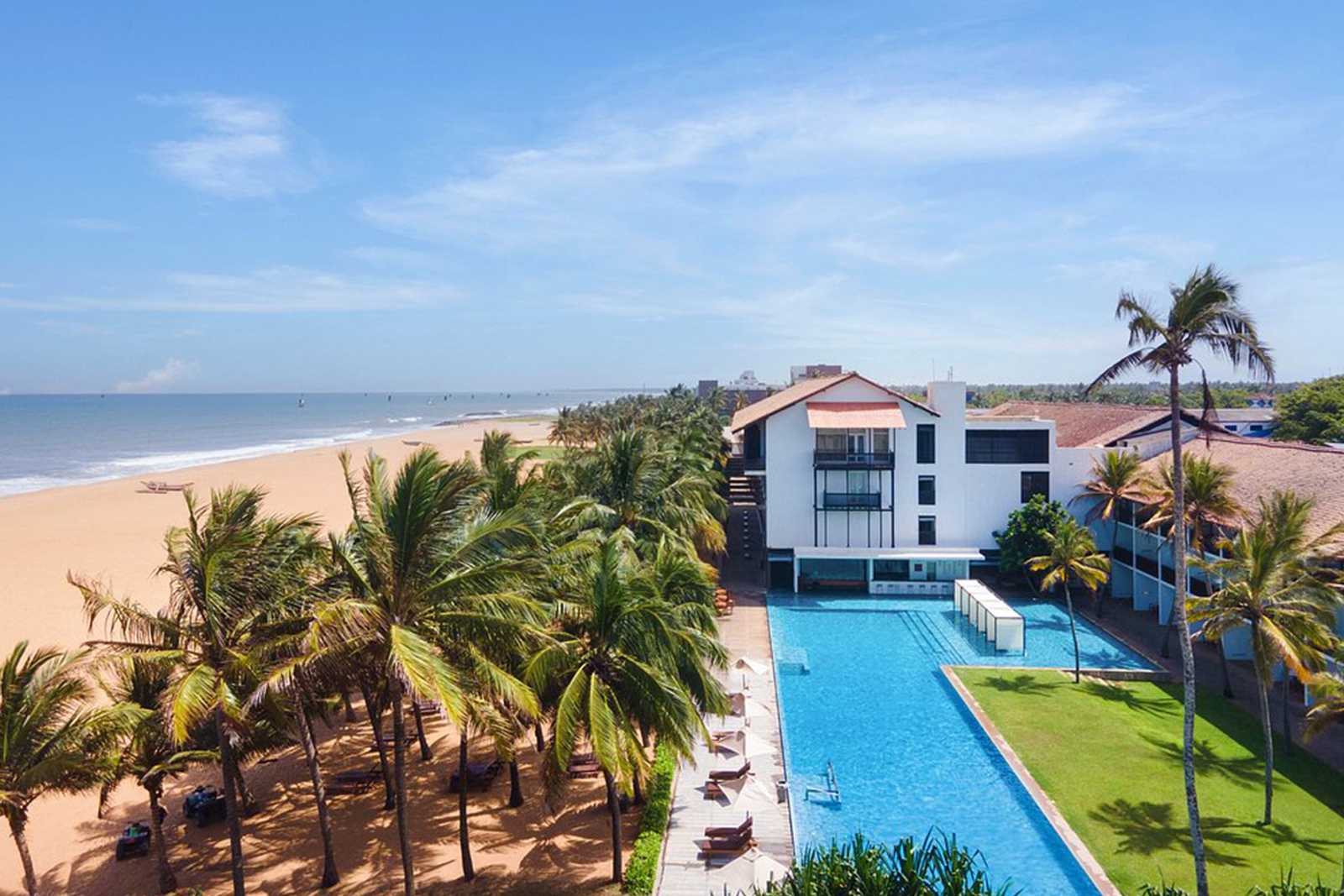
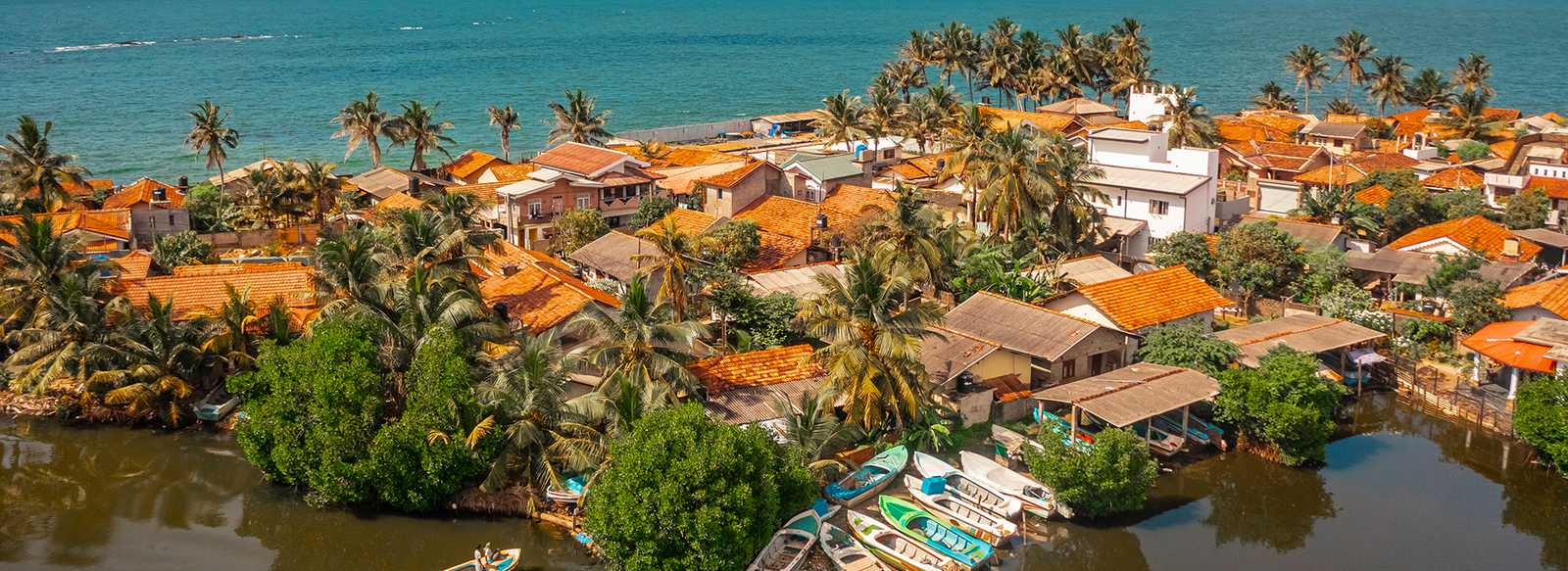
Feel the sand move beneath your toes, and the gentle waves kiss your heels as you explore Negombo's magnificent beaches. Observe fishers using traditional methods as they set out to sea in hand-built outrigger canoes and pay a visit to Lellama, where they sell their wares. Negombo is a vibrant resort that exudes old-fashioned colonial charm and has everything you need for a fun-filled holiday in the glorious Sri Lankan sunshine. This fantastic getaway is enhanced by a delightful bustling fish market, vibrant nightlife, and great food. Negombo has a lovely sandy beach, and water sports like windsurfing, kayaking, boogie boarding, and sailing are popular. Local attractions include Muthurajawela's wetlands, the ruins of a 17th-century Dutch fort, Negombo Beach Park, and Angurukaramulla Temple. Negombo comes alive after dark with many excellent restaurants, bars, and nightclubs. Lewis Place is a hive of activity and a great place to spend the night dancing; many unique hotels can be found just north of the town centre, along the beachfront. Tourists frequently visit the harbour early in the morning to watch the fisherman bring back their catch and score a new seafood bargain. Negombo Lagoon is truly enchanting, and its vast mangrove swamps are home to numerous water birds such as cormorants, herons, and egrets. Capital: Colombo International Airport: Bandaranaike International Airport (CMB) Population- 142,136 Currency- Sri Lankan rupee Time: GMT+5:30 Driving side- Left Main Electricity- 230V Official Language- Sri Lankan Tamil language Religion: Christianity
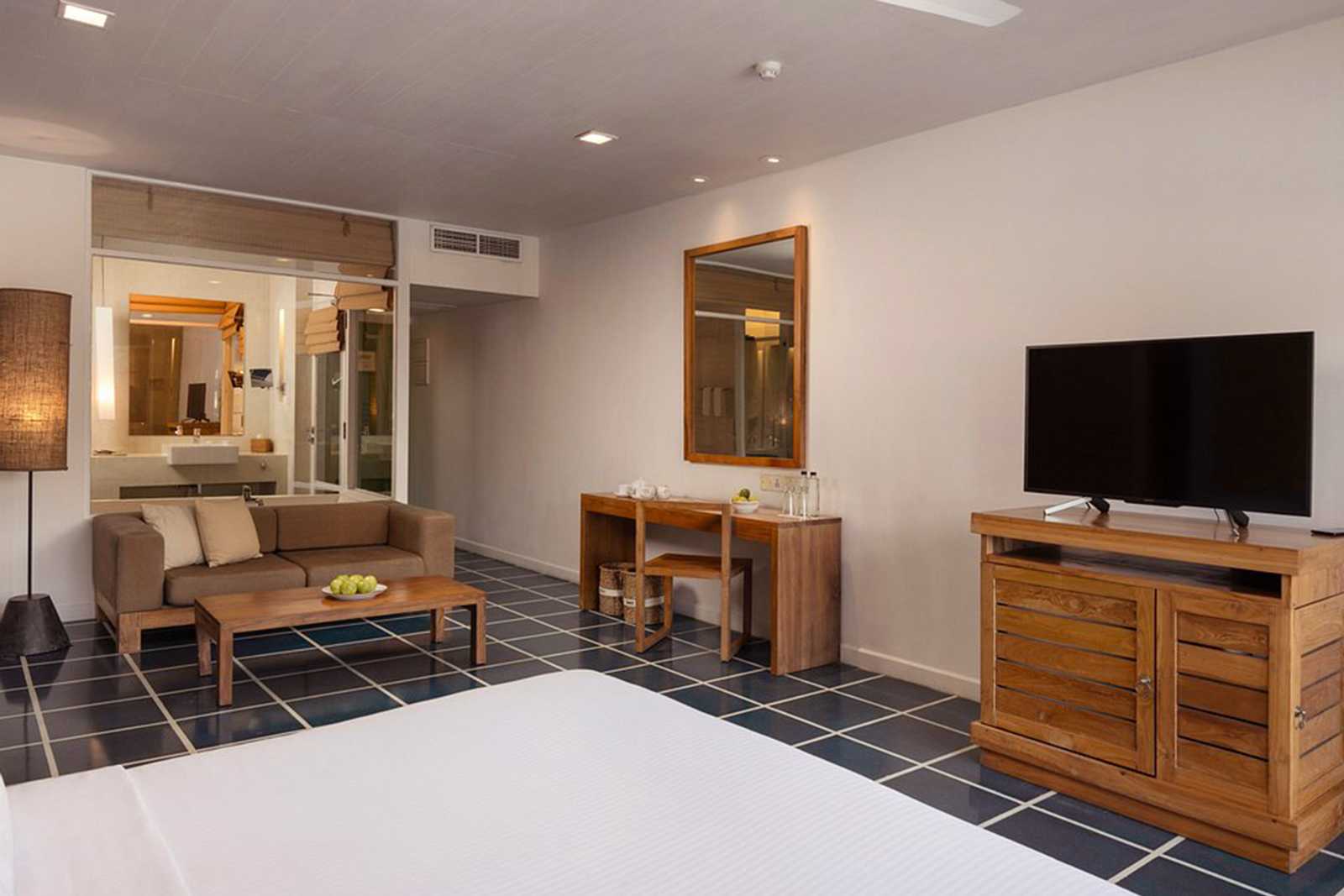
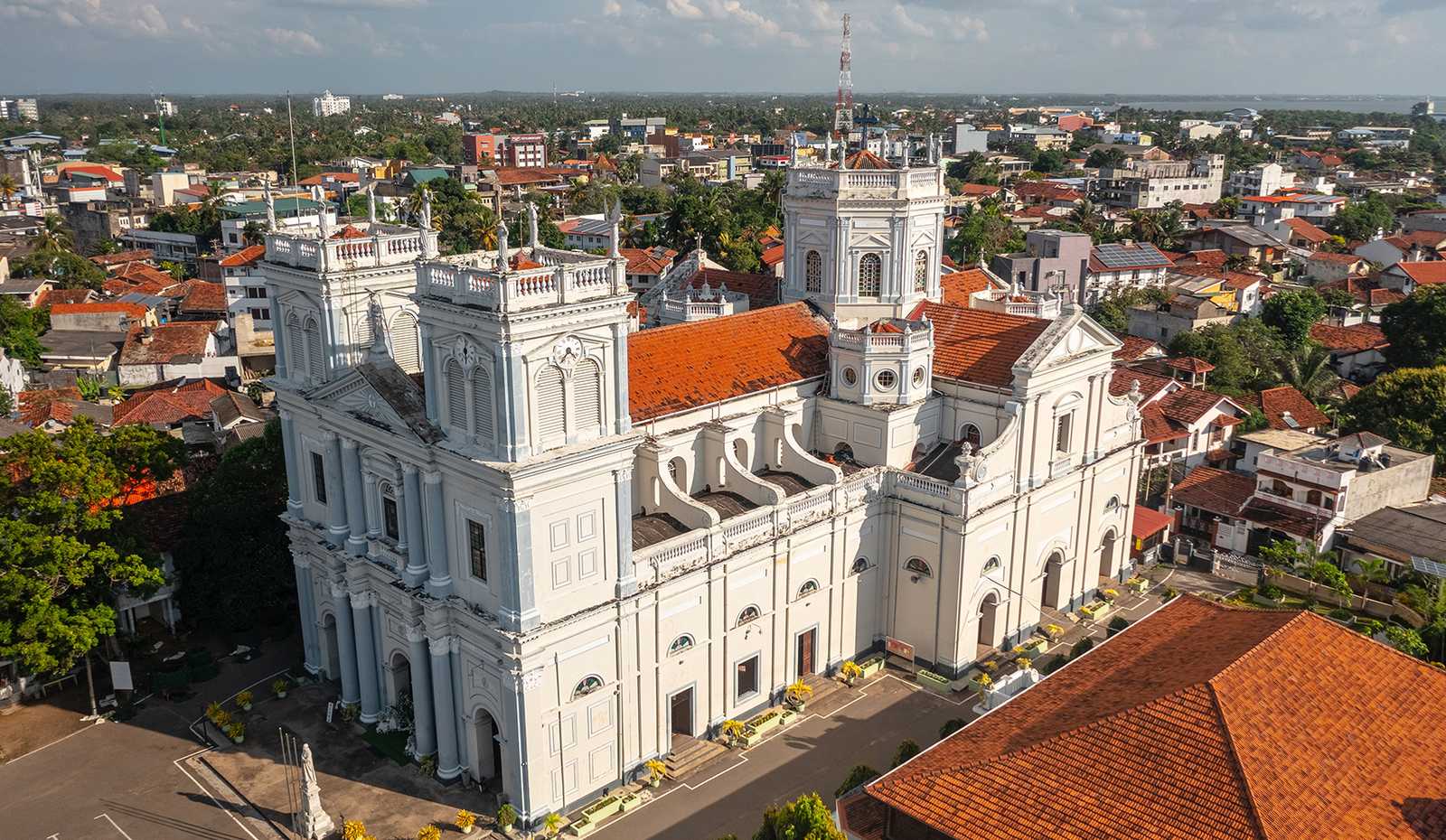
One of Sri Lanka's first beach resorts, Negombo, is built around a prawn-fishing lagoon and features a long stretch of silver sand that runs north along the coast. It's a small town with Buddhist temples, Portuguese churches, and Dutch canals that welcomes visitors gently. Negombo was a significant producer of Sri Lankan cinnamon long before the beach resorts arrived. Its profitable crop and natural port made it a valuable asset, and control was shared by the kings of Jaffna, the Portuguese, the Dutch, and the British. The Portuguese left behind many pastel-painted Catholic churches, many of which were the size of cathedrals, earning it the nickname "Little Rome" among European traders. The Dutch Fort, built on the ruins of an earlier Portuguese bastion, is adjacent to the fish market. In the late 1800s, the British converted it into a prison, and today you can only see inside if you commit a crime. You can, however, freely walk around the grassy ramparts and peer through the 17th-century entrance gate. Although the beaches on the south and west coasts are better suited for more extended beach stays, Negombo serves as a convenient rest stop before your flight. Jetwing Beach, designed by renowned Sri Lankan architect Geoffrey Bawa, is arguably the best hotel.