Misiones
Argentina · 3 nights
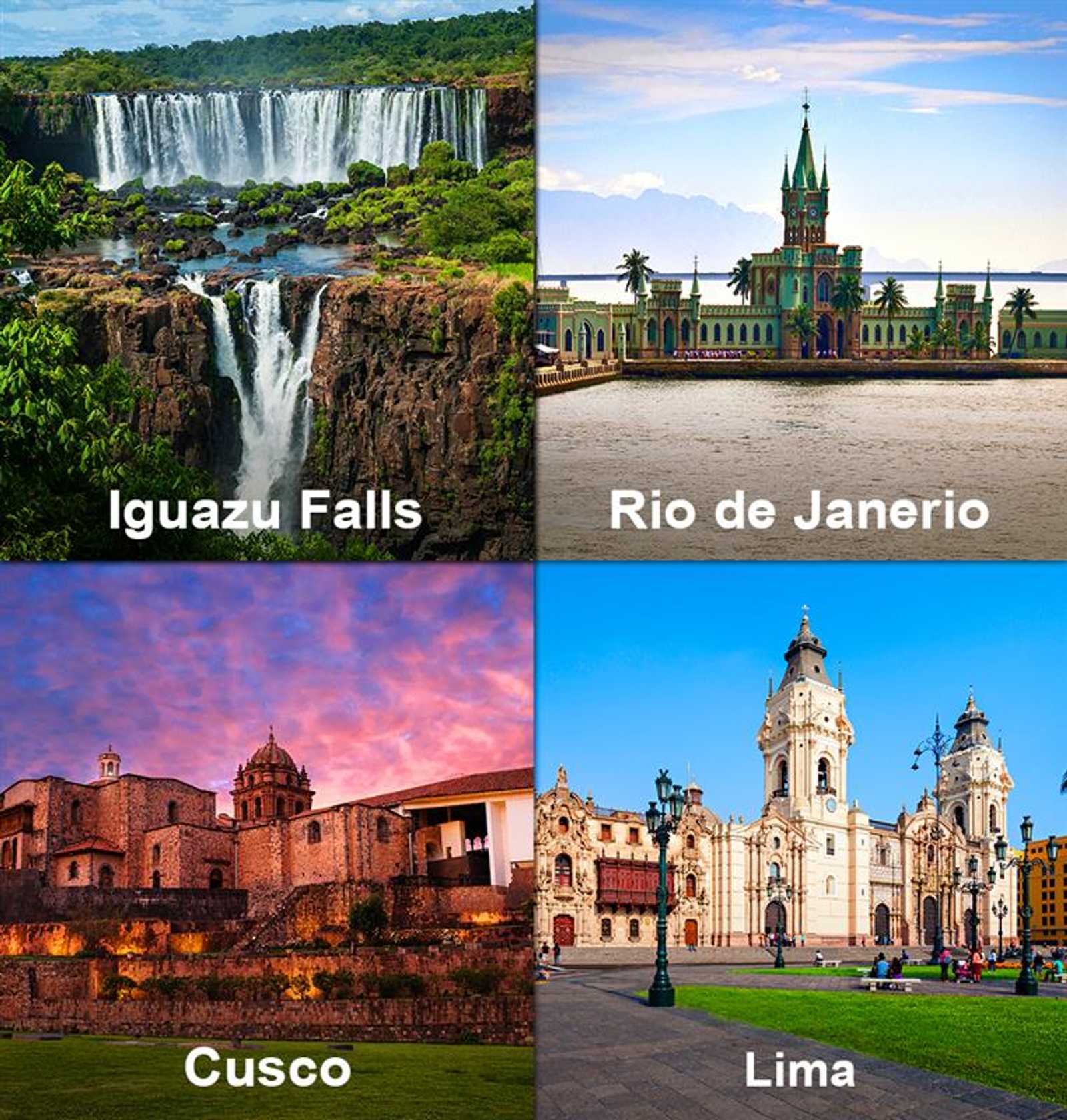
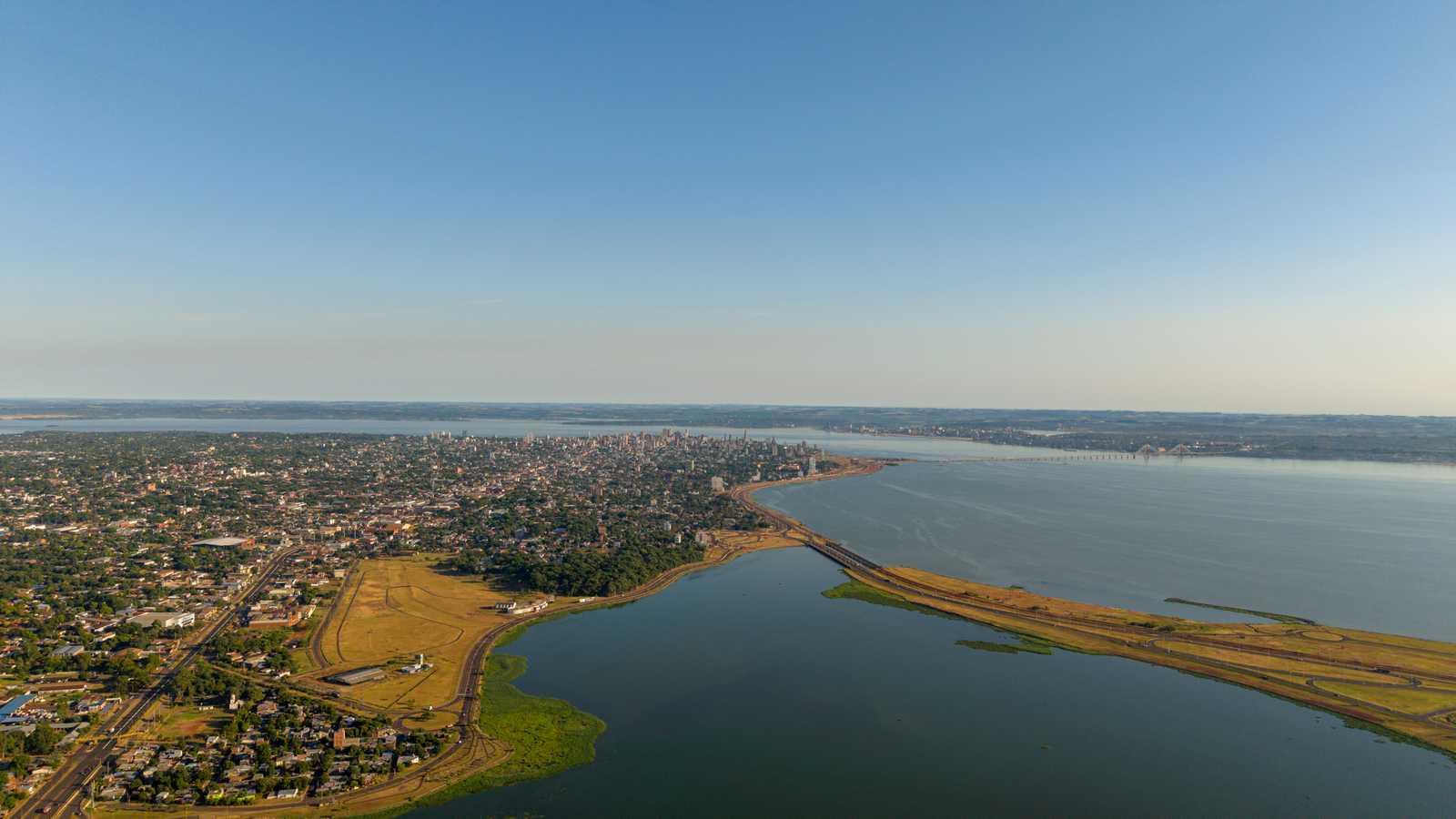
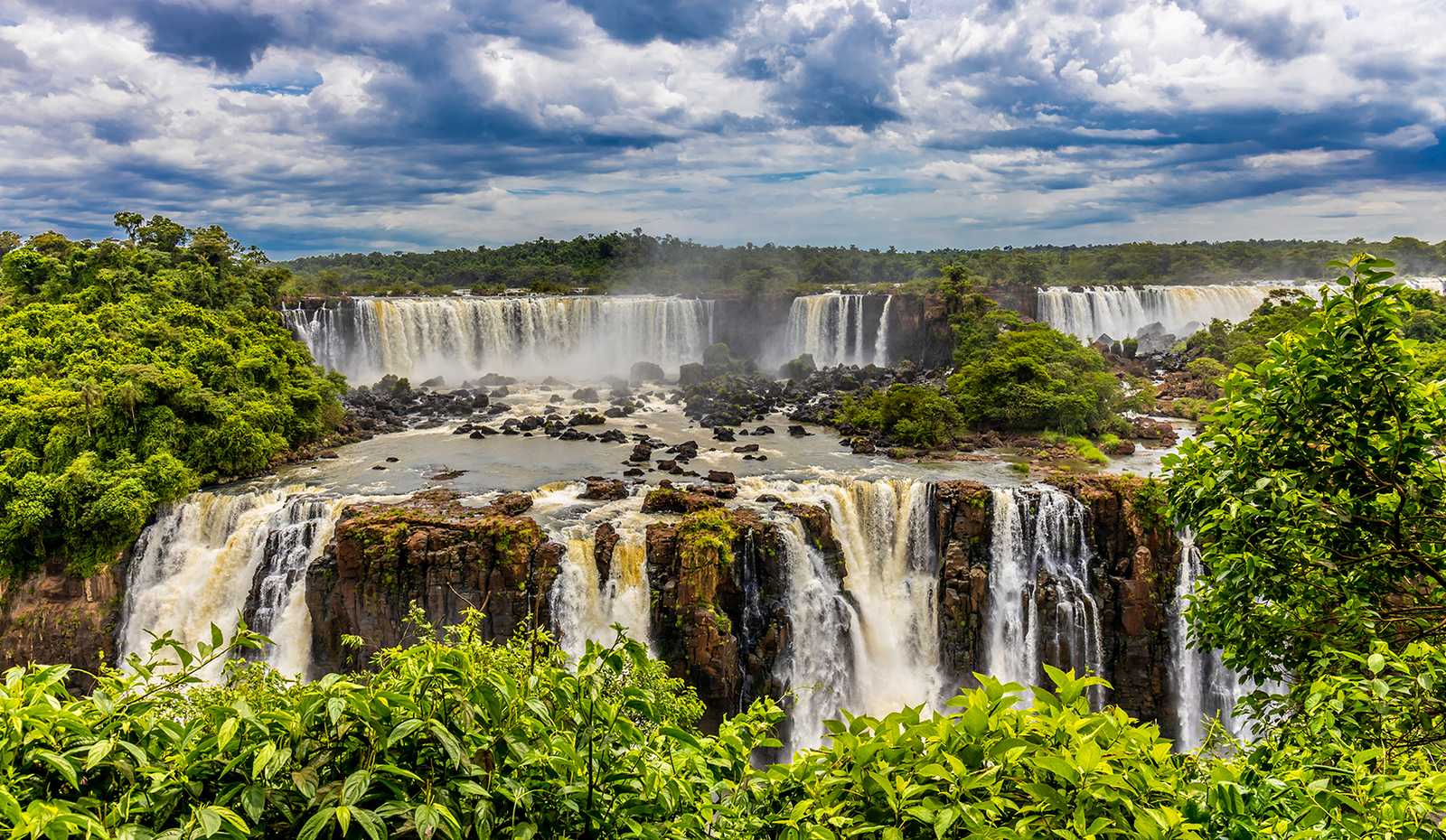
Located in the northeastern corner of Argentina, Misiones is part of the Mesopotamia region, nestled between the Paraná River to the west and the Uruguay River to the east. It borders Paraguay to the northwest and Brazil to the north and east, and the Argentine province of Corrientes to the southwest. As Argentina's wettest province, its humid subtropical climate results in heavy year-round rainfall, creating a lush and picturesque landscape. Misiones is distinguished by its stunning red soil, which is rich in minerals and contrasts brilliantly with the lush green of the subtropical rainforest that covers much of the province. The terrain is generally rough, with low mountain ranges (like the Misiones Mountains), canyons, and numerous rivers and streams. Home to a significant portion of the world-renowned Iguazu Falls, one of the largest and most spectacular waterfall systems globally, the falls are a major natural wonder, featuring some 275 individual cataracts. The "Devil's Throat" (Garganta del Diablo) is a particularly impressive section on the Argentine side. The province is named after the historic Jesuit missions, called "Reductions," which were founded in the 1600s. You can explore the ancient mission ruins of San Ignacio Miní, Nuestra Senora de Santa Ana, Nuestra Senora de Loreto, and Santa María la Mayor, which reveal the region's vibrant cultural history. The natural beauty of Misiones is evident in its extensive forests, which contribute to its status as a biodiversity hotspot, teeming with creatures such as caimans, toucans, and monkeys. It is commonly referred to as "Argentina's Amazon" due to its abundant natural riches and deep forest. Despite being less developed than some of its Argentine rivals, Misiones has a diverse economy. Agricultural production centers on yerba mate (utilized for the indigenous tea-like beverage), tea, and tobacco. Forestry and wood processing also contribute significantly to the economy. The Iguazu Falls and the Jesuit ruins serve as the primary drivers of the essential tourism industry. Another reason people visit is the Mocona Falls, which are special because they run next to the Uruguay River. Plus, there are many parks and nature areas set aside to protect the environment. The province has strong indigenous Guaraní roots, and visitors can learn about their culture and traditions. The local cuisine also reflects a blend of Guaraní, Argentine, and Brazilian influences. Capital: Posadas International Airport: Cataratas del Iguazú International Airport (IGR) in Puerto Iguazú and Libertador General José de San Martín Airport (PSS) in Posadas. Currency: Argentine Peso (ARS) Driving Side: Right Main Electricity: 220V, 50Hz (Plugs types C and I) Official Language: Spanish (though Guaraní and other indigenous languages are also spoken) Religion: Predominantly Catholicism, with a growing number of Protestants and other religions.