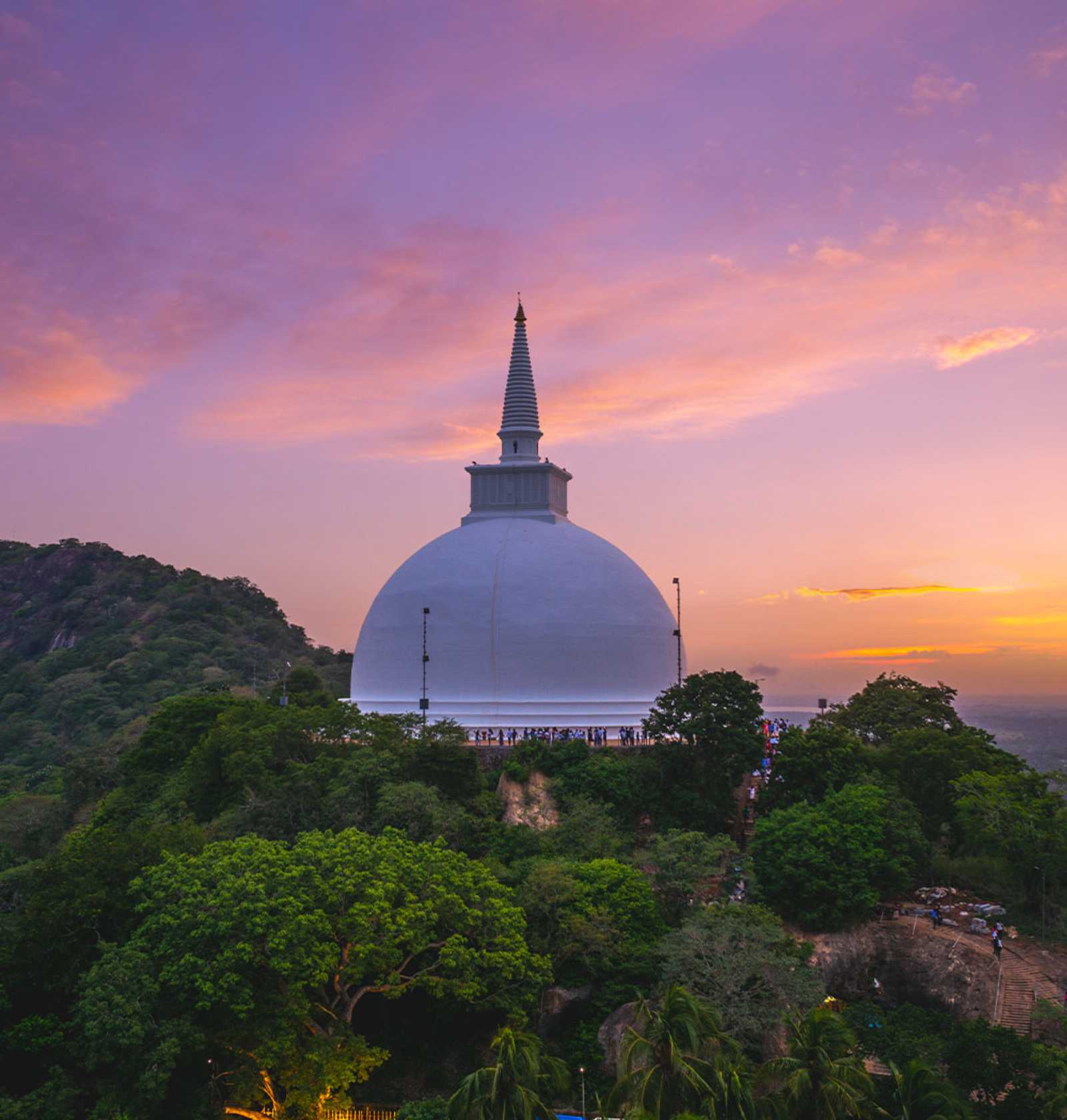
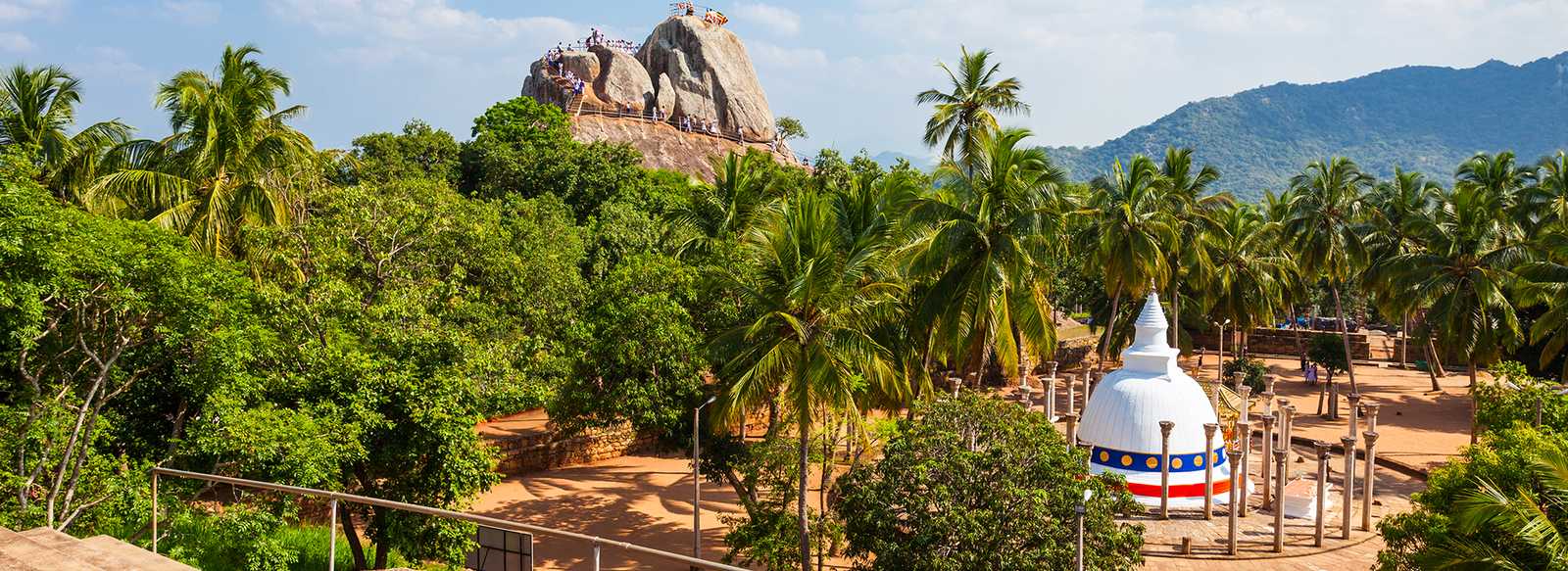
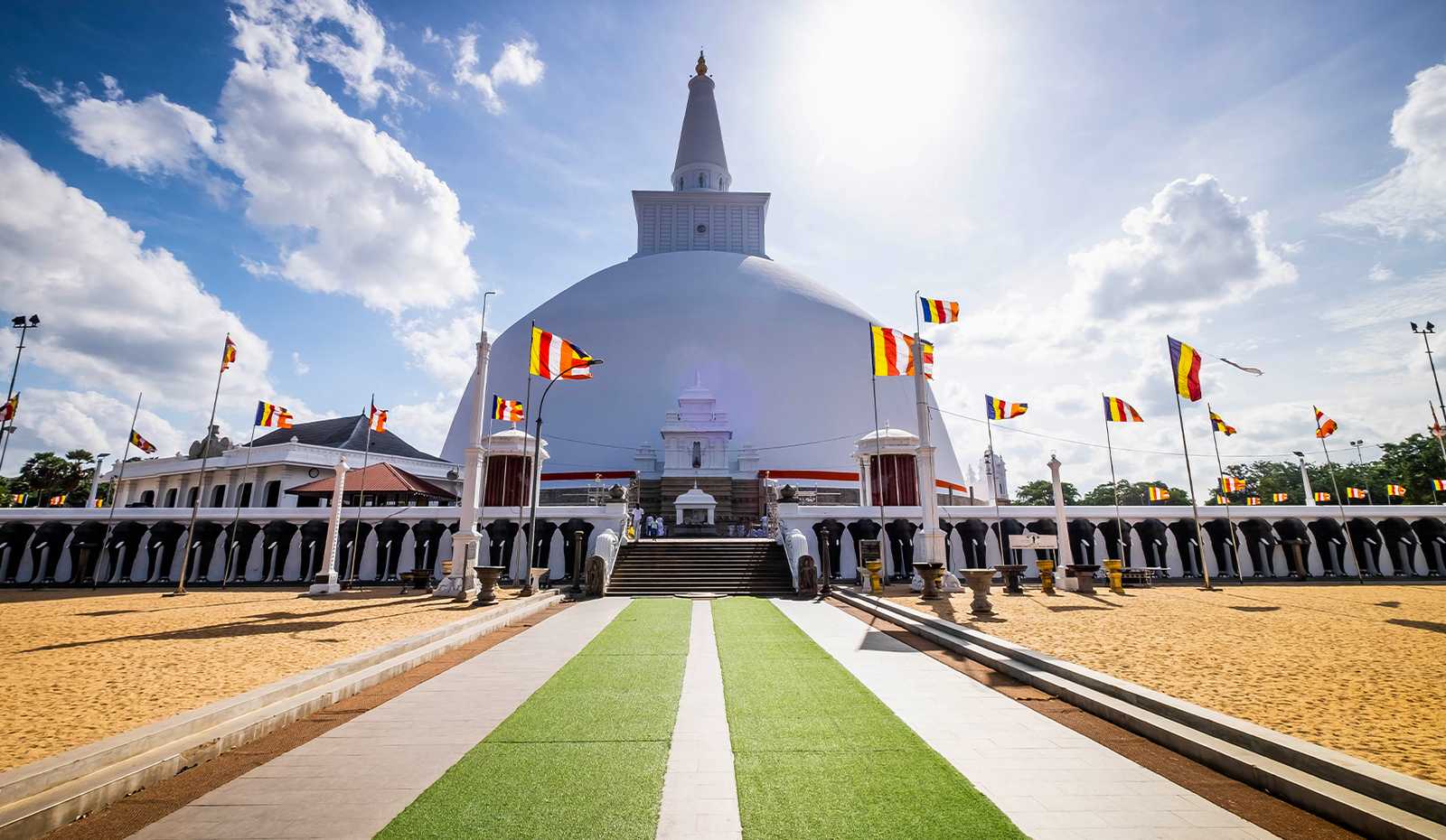
Anuradhapura has a rich history dating back to the 4th century BC, when King Pandukabhaya founded it. Flourishing under the Anuradhapura Kingdom, Chola Dynasty, and Polonnaruwa Kingdom, the city witnessed periods of great prosperity and cultural development. A renowned hub of Buddhist learning, Anuradhapura attracted scholars and pilgrims from far and wide, contributing to its intellectual and spiritual prominence. Succumbing to invasions and internal strife in the 11th century AD, the city was eventually abandoned, leaving behind a rich historical tapestry. Anuradhapura's ancient ruins have been preserved and are now a popular tourist destination, giving visitors a glimpse into Sri Lanka's rich history and cultural heritage. Recognised for its outstanding cultural significance, Anuradhapura was declared a UNESCO World Heritage Site in 1982. The city boasts impressive ancient structures, including monumental dagobas, intricate monasteries, and colossal statues. Attracting visitors from around the world, Anuradhapura contributes significantly to Sri Lanka's tourism industry.
Anuradhapura is a must-visit destination for tourists interested in Sri Lanka's ancient history and culture. Some of the most remarkable ancient remains in the nation, including towering stupas, enormous statues, and sophisticated carvings, may be found in the city. Anuradhapura is also known for its vibrant Buddhist culture, which includes numerous temples and monasteries throughout the city. Visitors can also explore the surrounding forests and lakes, which are home to various wildlife, including elephants and monkeys. The city is also famous for its annual Esala Perahera festival, a grand cultural event that attracts visitors from all over the world. Anuradhapura provides visitors with a unique and memorable experience, combining ancient history, cultural heritage, and natural beauty. The city is also an excellent destination for those seeking a peaceful retreat and spiritual experience.