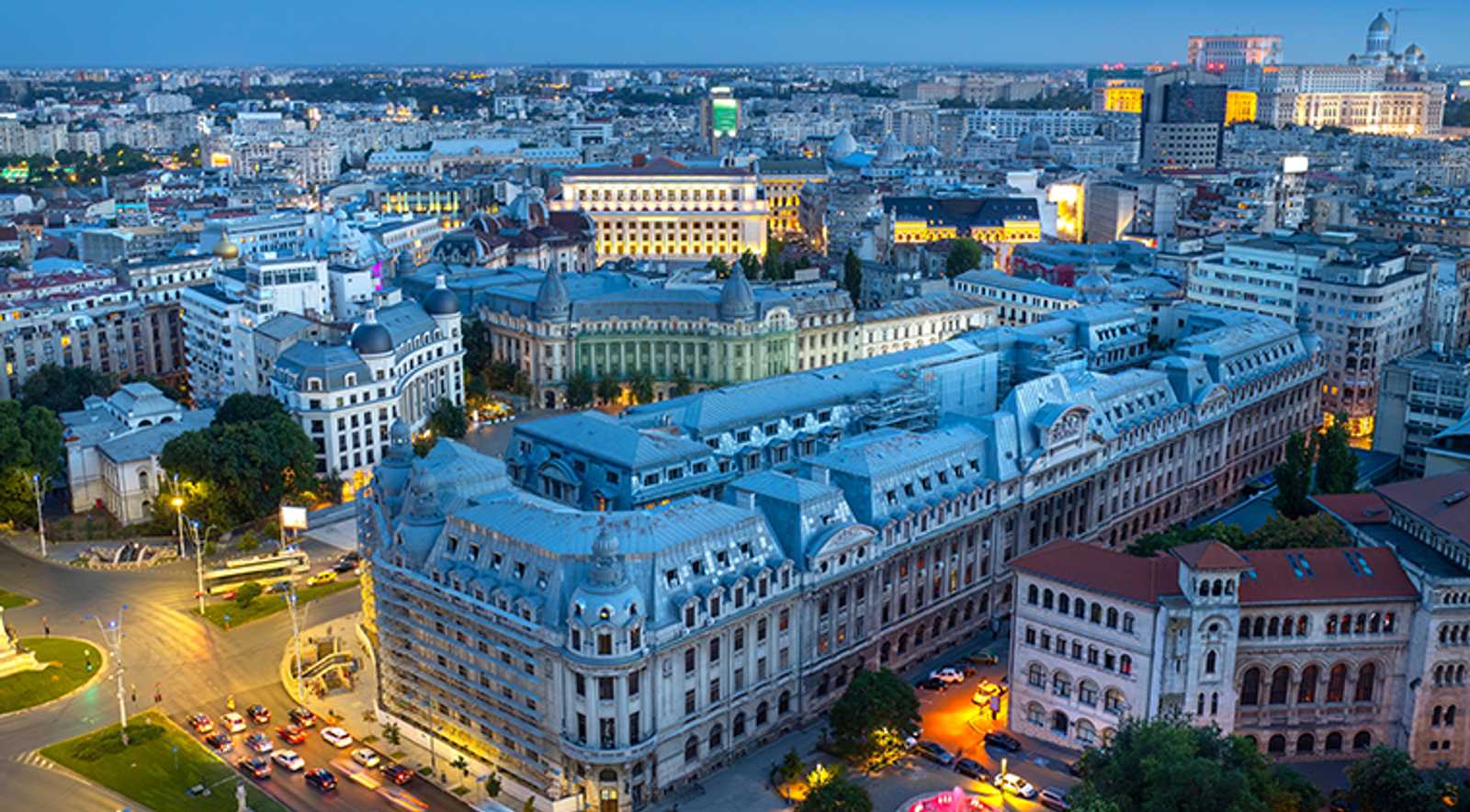
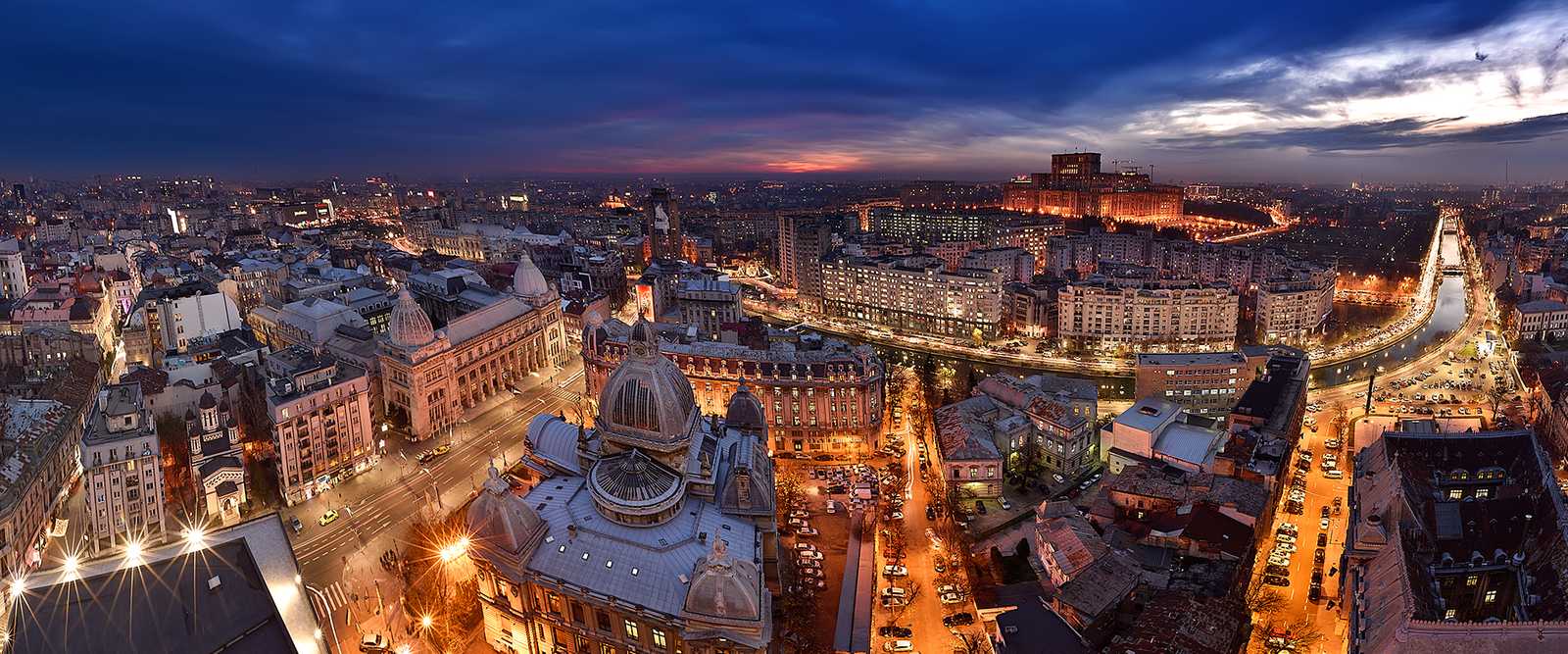
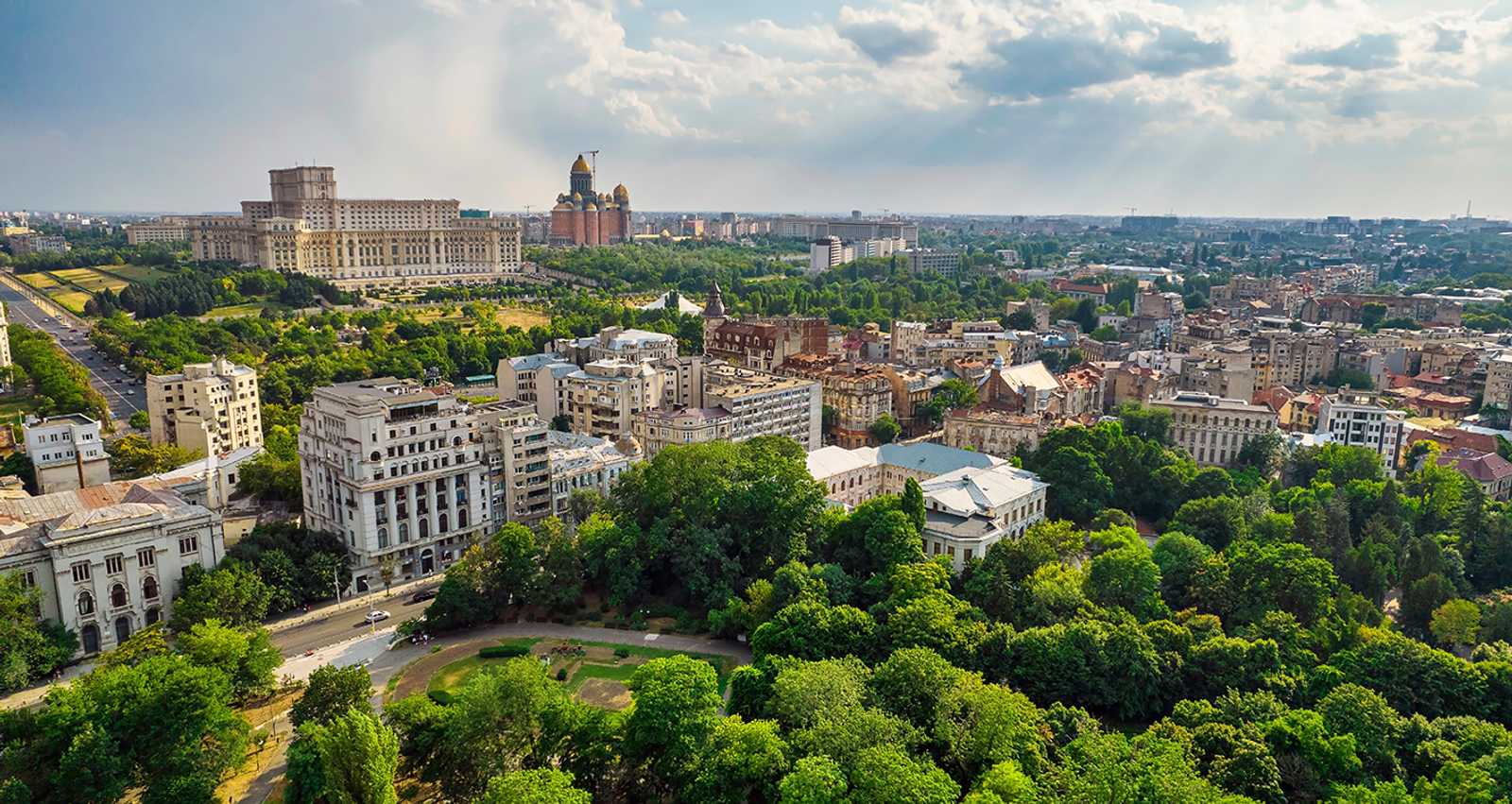
Bucharest is well-known for having one of Europe's fastest internet connections. The same can be said for a significant advancement in the field of information technology. Because Romanians are very good programmers, many foreign companies, such as IBM, have offices in Bucharest. Romanian is the second most spoken language in Microsoft, after English. Bucharest, Romania's capital, is rich with a storied history that merges with its modern identity. It was once known as "Little Paris" for its elegant architecture. The juxtaposition of architectural styles is both perplexing and fascinating. Its Byzantine structures, 16th, 17th, and 18th-century churches, Art Nouveau mansions, and spectacular Neoclassical facades have all weathered earthquakes, wars, and communism. Somber block panel masonry, as well as dictator Nicolae Ceausescu's prized creation, the Palace of the Parliament, left their imprint during that dark political era. Exploring Bucharest's sprawling city parks, admiring the works of art and exhibits at its excellent museums, and getting lost in the gritty yet charming lanes that weave through the Old Town are all ways to discover the city's charm. A stroll down Calea Victoriei, arguably one of the city's most beautiful streets, is a chance to see some of the country's most important buildings and monuments, all of which bear witness to bygone eras. Exploring Bucharest entails delving into a complicated past that is giving way to the city's modern sensibility as a thriving European capital. Capital- Bucharest International Airport – Henri Coandă International Airport Population- 1,794,000 Currency- the Romanian leu Time - UTC+2 Driving side- right Main electricity- 230V Official Language- Romanian Religion- Romanian Orthodox
The Old Town is one of Bucharest's oldest neighborhoods, with buildings dating from the 15th and 16th centuries. The Parliament Palace (Palatul Parlamentului) is one of Bucharest's most popular tourist attractions. The stately Romanian Athenaeum (Ateneul Român) is the city's most prestigious concert hall and home to the George Enescu Philharmonic Orchestra. The Stavropoleos Church (Manastirea Stavropoleos) was built in 1724 by a Greek monk named Ioanikie Stratonikeas. It is small, peaceful, and beautiful. The Old Princely Court (Curtea Veche), located in the heart of the Old City, was the palatial residence of Wallachian princes.