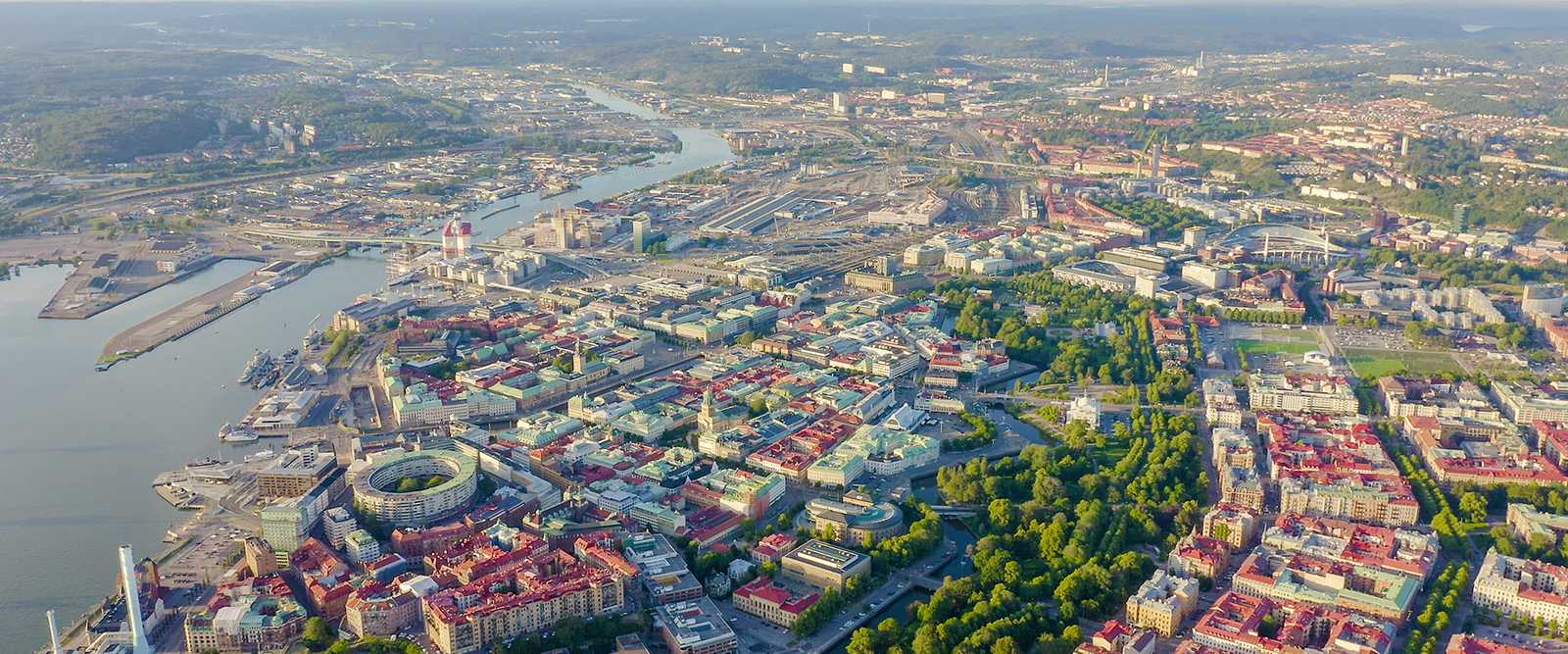
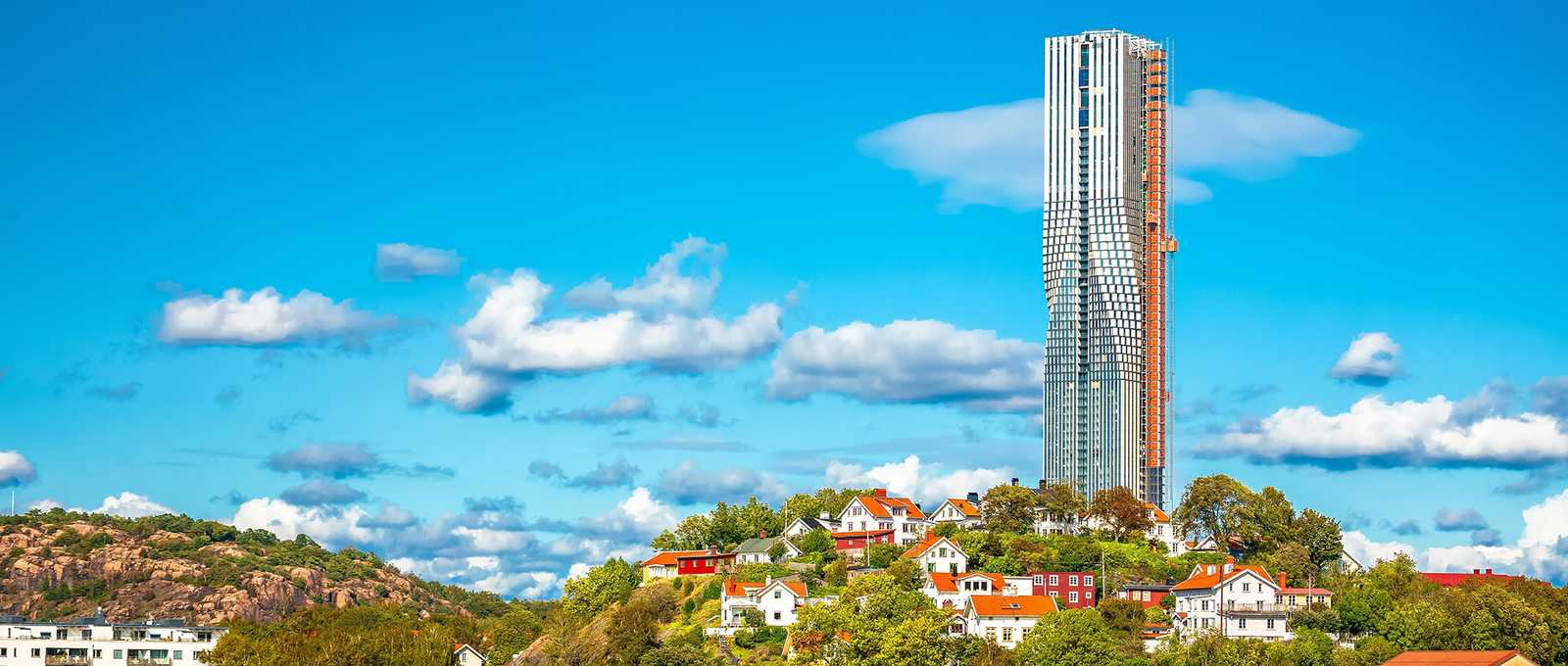
King Gustav II Adolf founded Gothenburg in 1621, and it quickly became a major commercial fishing port. Though the city has evolved over the centuries to focus on other industries it is, after all, the birthplace of Volvo cars its proud fishing heritage has not. Gothenburg and the West Coast of Sweden have become a hotspot for foodies in recent years. World-class seafood, award-winning restaurants, and a breathtaking coastline are luring an increasing number of international visitors. Gothenburg, or Göteborg as it is known in Sweden, is the country's second largest city, but it is very different in character from its larger brother, Stockholm. The citizens of Gothenburg are extremely proud of their city, and there is a fierce rivalry between Stockholm, to the north, and Gothenburg, to the south. Gothenburg has a more European feel than Stockholm, which is 467 kilometers northeast. The climate is milder, al fresco dining begins earlier in the year, and overall, Gothenburg has a more European feel than Stockholm. All of this is hardly surprising, given that Frederikshavn, Denmark, is only three and a half hours away by ferry. International Airport: Gothenburg-Landvetter Airport Population: 618,000 Currency: Swedish Krona Time: GMT+1 Driving side: Right Main Electricity: 230 V Official Language: Swedish Religion: Christianity
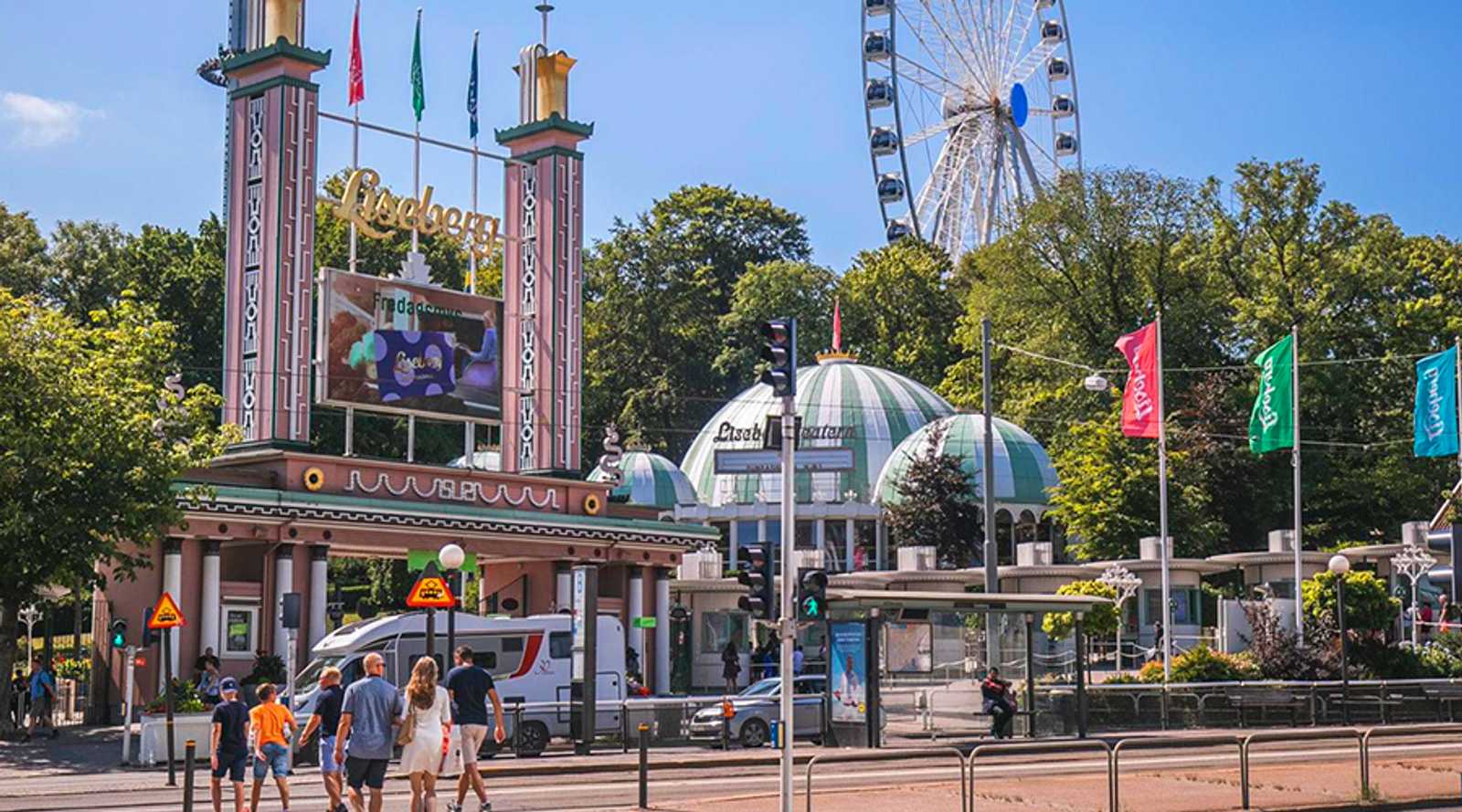
The Liseberg Amusement Park, which opened in 1923 and is still a family favorite, is a Gothenburg institution. A stroll through the beautiful 338-acre Slottsskogen, a leafy park and mini-zoo right in the heart of the city, is one of the best free things to do in Gothenburg for both locals and tourists. The serene 432 acres of Gothenburg Botanical Garden (Botaniska) is a wonderful place to unwind in between touring the city sights. The Gothenburg Museum of Art (Goteborgs Konstmuseum) houses one of the finest collections of works in Northern Europe. Haga, in the city's west end, is one of Gothenburg's oldest neighborhoods, dating from the mid-seventeenth century.