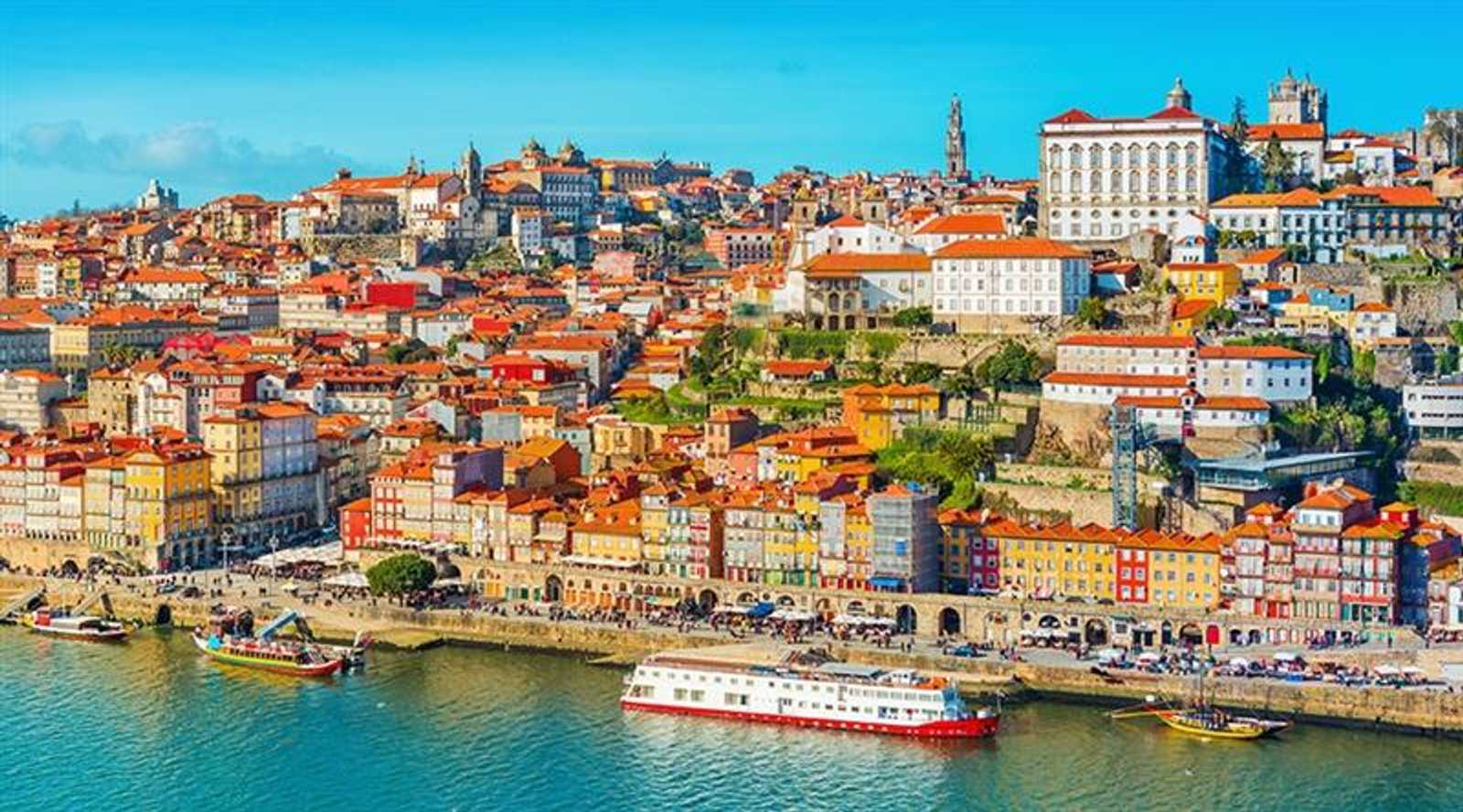
Porto, Portugal's second largest city and the commercial and industrial center for the region north of the Mondego River, is known around the world for its port wine. In 1996, Porto's historic center was designated as a UNESCO World Heritage Site. Porto, Portugal's second city, appears to be hewn out of granite near the mouth of the River Douro, and dazzles with a rich collection of cultural attractions. The Ribeira is the historical heart of Porto. This waterfront bairro adamantly demands that you get lost in its maze of narrow streets and seek out some of the city's most treasured architectural treasures. The buildings that make up this historic neighborhood are so rare and valuable that UNESCO designated it as a World Heritage Site. A strong 18th-century accent can be found throughout old Porto. The skyline is punctuated by lavish Baroque churches and stately neoclassical buildings, the most valuable contents of which are displayed in world-class museums in picturesque squares. Meanwhile, the city's modern character is reflected in a thriving modern arts scene and a frighteningly futuristic music venue. A cruise along the Douro is recommended, and a ride on the cable car that runs from one end of the quayside to the other will provide a truly unforgettable city panorama. International Airport: Porto International Airport (OPO) Population: 1,316,000 Currency: the euro Time: UTC+0 Driving side: Right Main Electricity: 230 V Official Language: Portuguese Religion: Lutheran Christianity
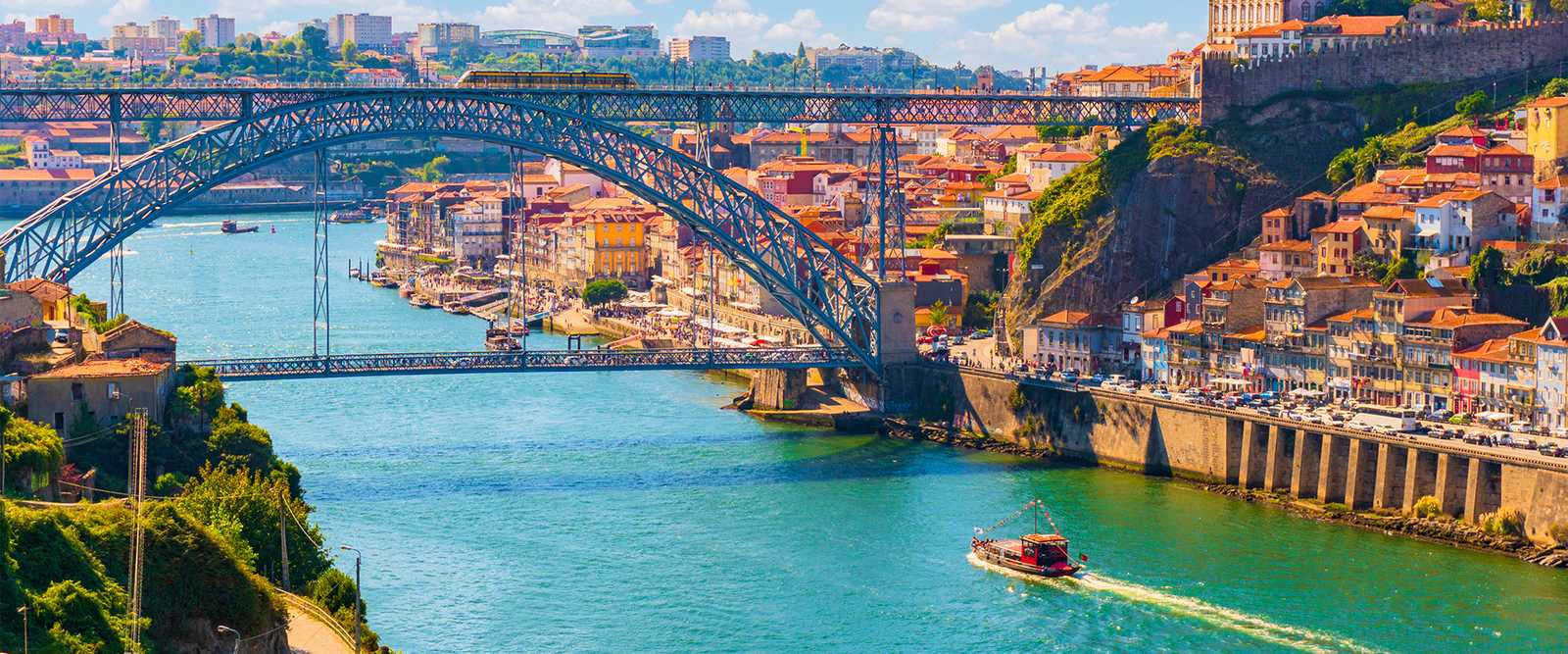
Porto's former stock exchange, which dates from the mid-nineteenth century, is rich in historical significance. As visitors enter the beautiful church of St. Francis, they are engulfed in gold. The riverside quarter of Porto is a seductive maze of narrow, winding streets, zigzagging alleyways, and low-slung, sun-drenched arcades. The grandiose Dom Luis I bridge is one of Portugal's most recognizable structures. Porto sightseeing should always include a visit to the city's cathedral.