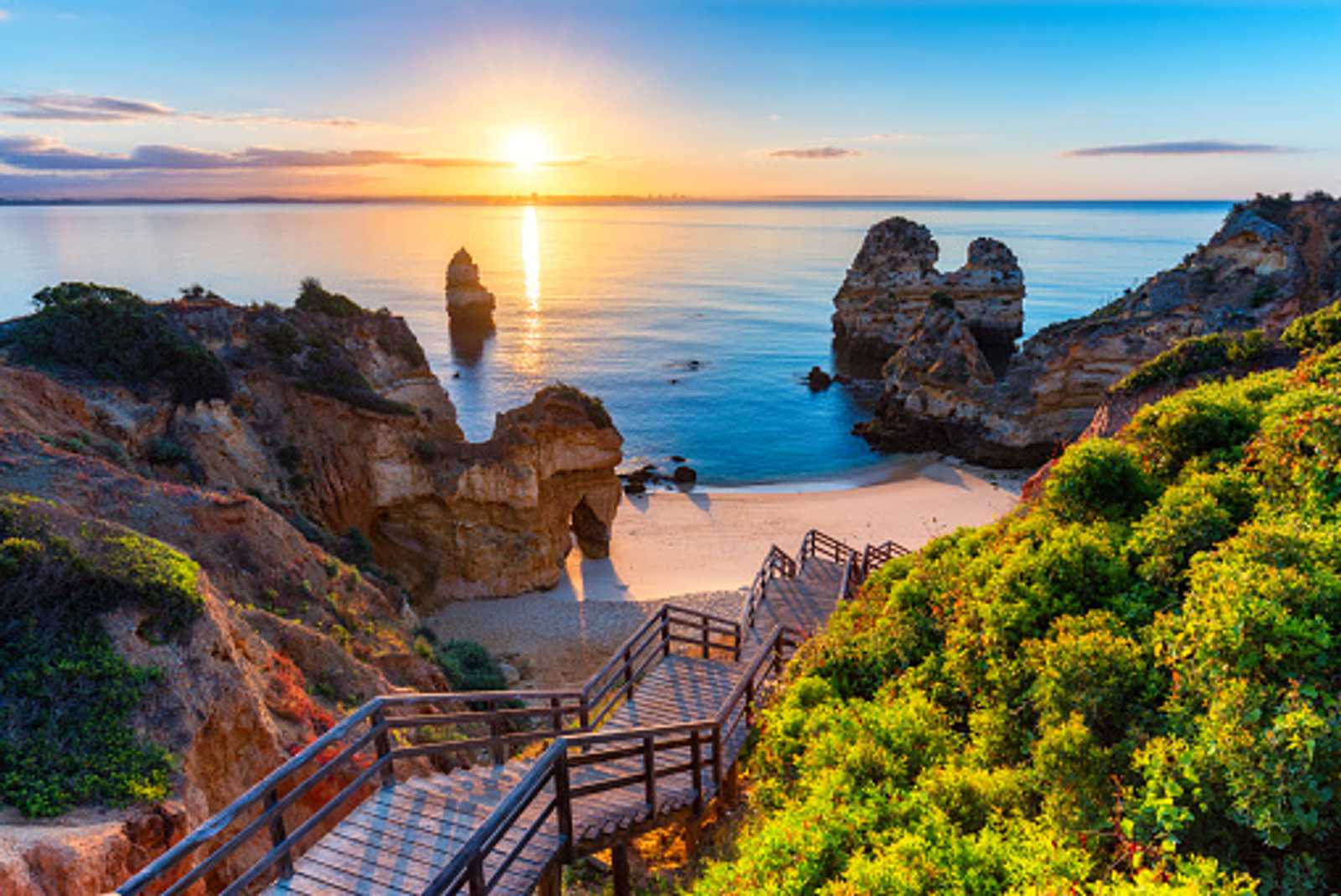
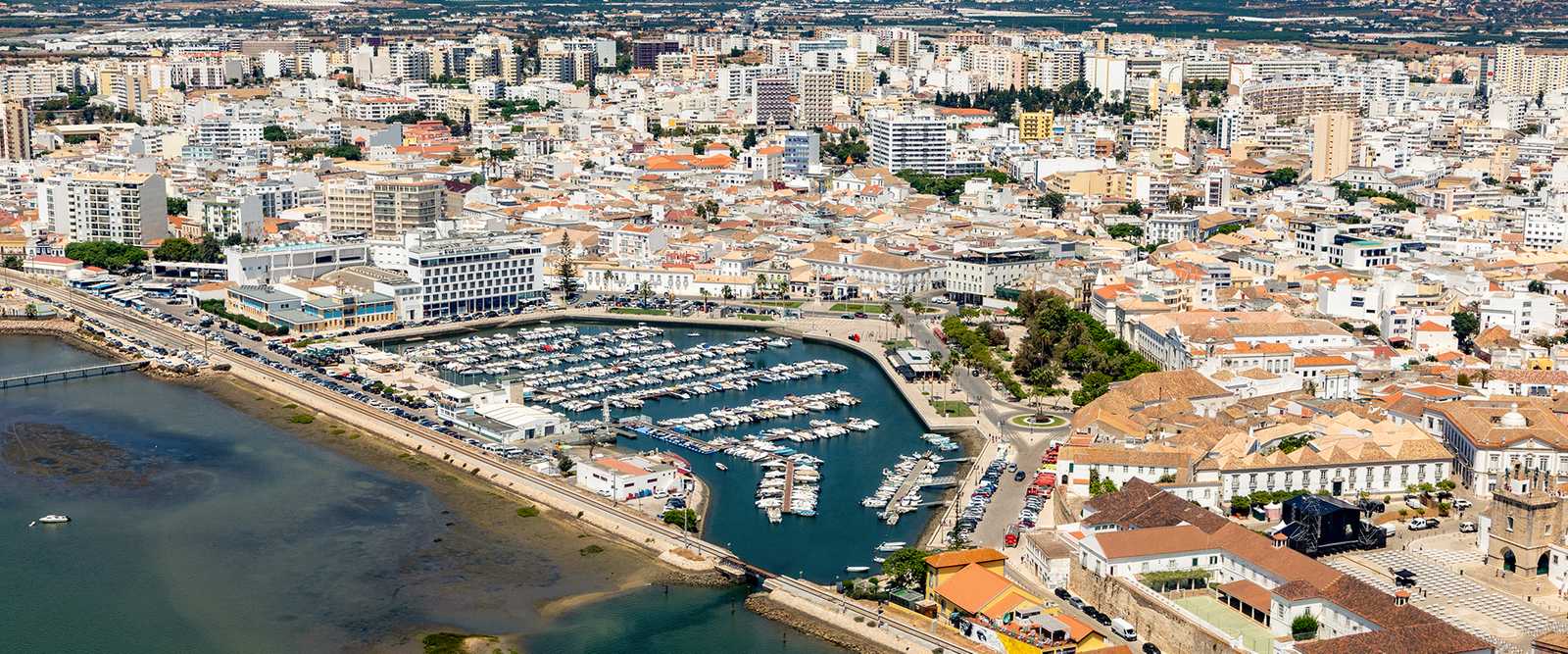
Faro is the Algarve's largest city and the gateway to southern Portugal. This destination is blessed with rich cultural wealth and a stunning location, lying on the coast and overlooking the shallow lagoons of the protected Ria Formosa Natural Park. The Romans called it Ossonoba, and their legacy can still be seen today. The most important historical monuments, however, date from the 16th and 17th centuries and are concentrated within the walls of the Old Town. Faro, proud of its maritime heritage, remains a bustling and colorful port. Fishing boats and pleasure craft ply the narrow channels that meander towards the open sea from the marina, passing dense marshland and deserted islands. Wetlands are one of Europe's most important natural habitats, attracting a diverse range of seabirds and other wildlife. Tourists, on the other hand, are drawn to the city's eclectic mix of visitor attractions, traditional restaurants, and low-cost shopping. The cafés along the harbor esplanade are popular meeting places, and nearby golf courses and some spectacular beaches are irresistible leisure options. Capital: Faro International Airport: Faro Airport (FAO) Population: 60,995 Currency: the euro Time: UTC+0 Driving Side: Right Main Electricity: 230V Official Language: Portuguese Religion: Roman Catholicism
Milreu, located about 10 kilometers north of Faro, is one of the most important Roman sites in the Algarve. Faro's one-of-a-kind 19th-century Jewish cemetery serves as the focal point of this unusual and moving visitor attraction. The westernmost island of the Rio Formosa, and the only one accessible by car; during the summer months, the single-lane bridge can bring traffic to a halt. Faro's city center is distinguished by the 18th-century Carmo Church, which is located away from the Old Town. The land train departs from Jardim Manuel Bivar in front of the marina and trundles past the city's most memorable landmarks and visitor attractions.