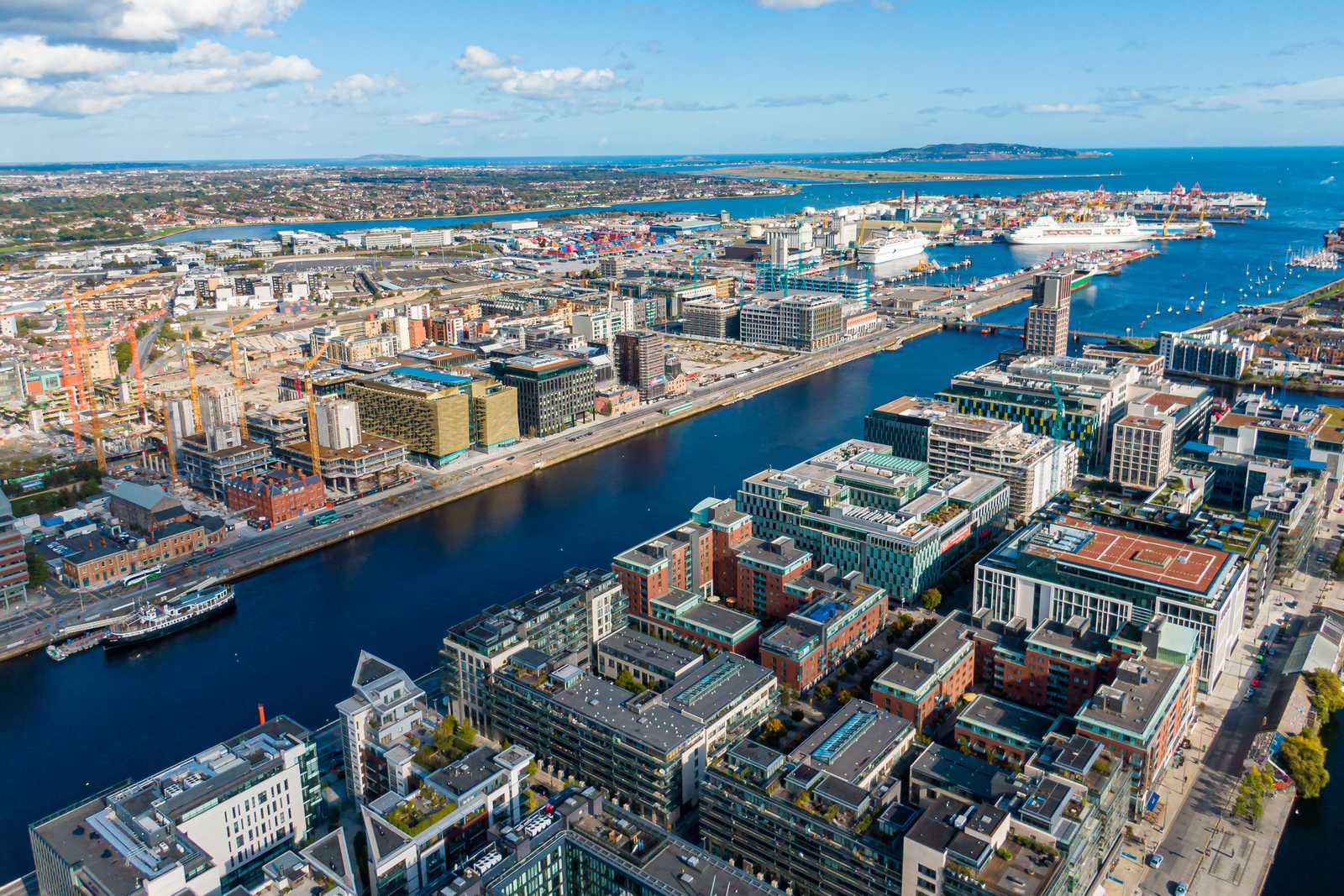
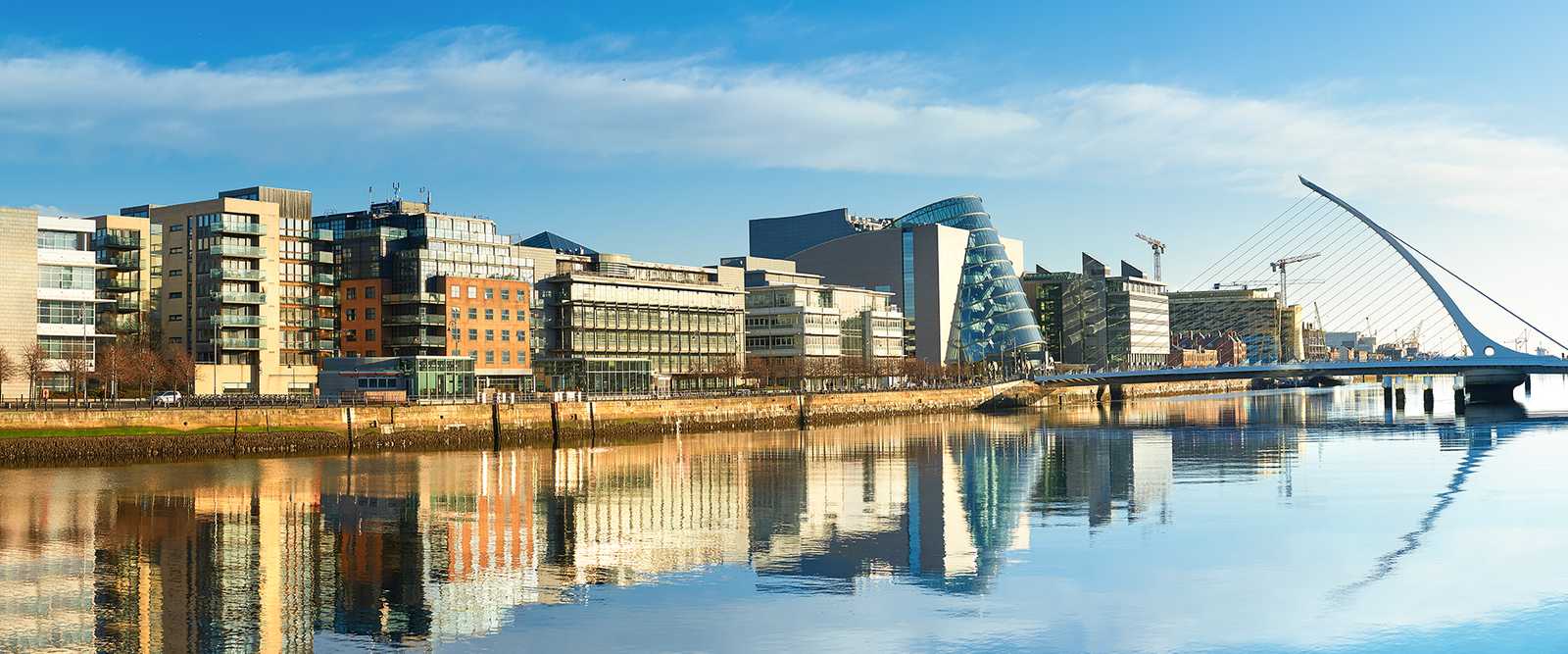
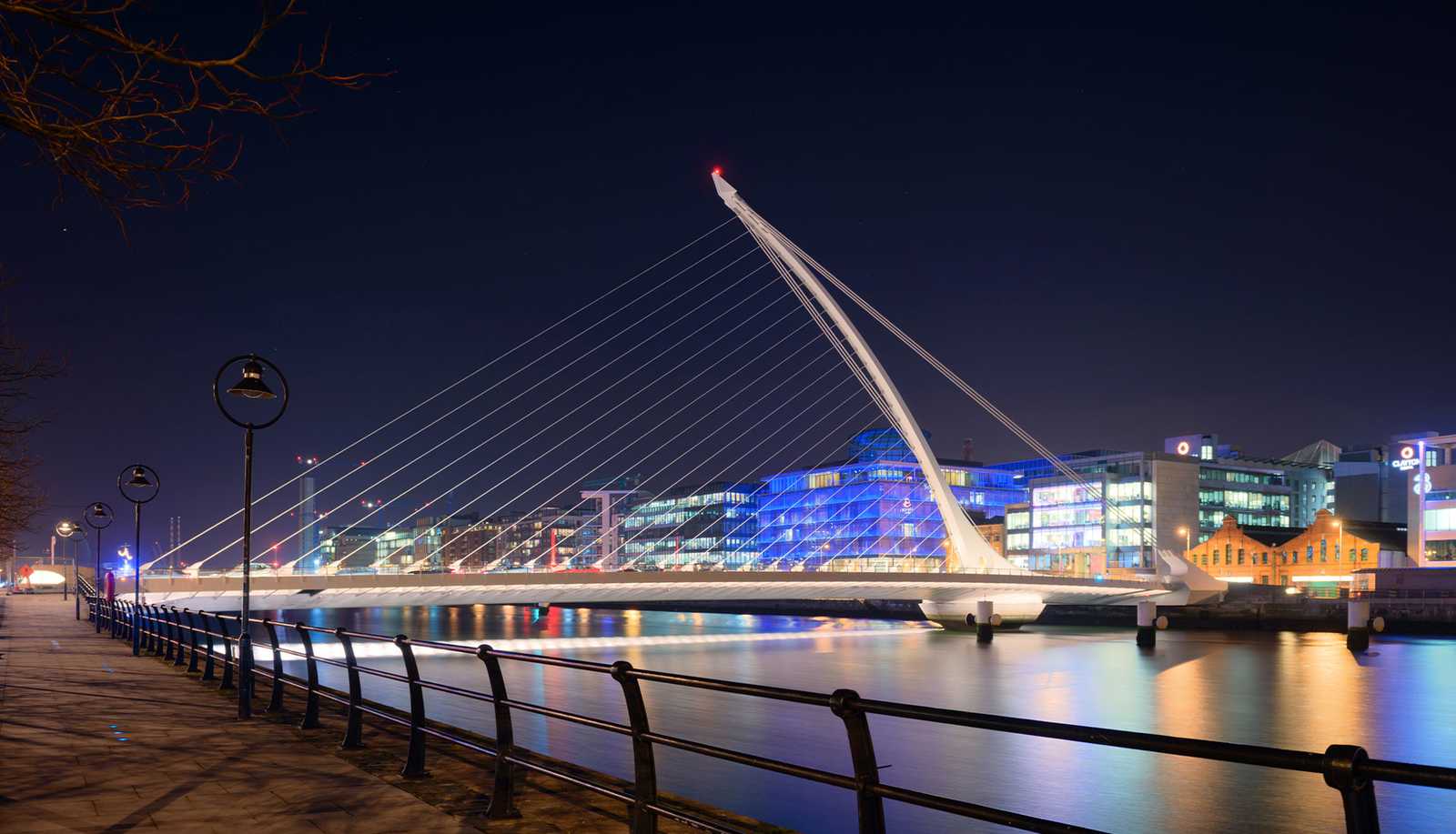
Dublin, famous for its cultural heritage and charming hospitality, is located on a wide bay between Howth in the north and Dalkey in the south. The Liffey River, which flows into the harbor, divides the city in half. The O'Connell Bridge, the most famous of which spans the north-south divide, is one of several bridges that span the divide. Any are lovely places to stroll and soak up the atmosphere of the capital. Pre-independence Dublin was once the second city of the British Empire, with graceful Georgian architecture and picturesque parks testifying to a troubled past. Ireland's capital has produced world-famous literary figures such as Yeats, Beckett, Joyce, Shaw, and Wilde. Dublin was designated a UNESCO City of Literature in 2010, and its written tradition dates back to 800 CE with The Book of Kells, which is now on permanent display at Trinity College. Despite the fact that Dublin sprawls rather than soars, the city center is easily explored on foot, and a convenient transportation network gets you wherever you want to go. Capital: Dublin International Airport: Dublin Airport (DUB) Population: 1.43 million Currency: the Euro Time: UTC+01:00 Driving side: Left Main Electricity: 230 V Official Language: Irish Religion: Christianity
The Little Museum of Dublin is a hidden gem nestled in a charming space among the city's historical landmarks. The National Museum of Ireland: Archaeology, located on Kildare Street near the National Library, is well worth a visit. The National Gallery of Ireland, with entrances on Clare Street and Merrion Square West, is a right turn at the end of Kildare Street. Dublin Zoo is Europe's largest enclosed urban park, covering 1,750 acres, which is surprising given Dublin's small size.