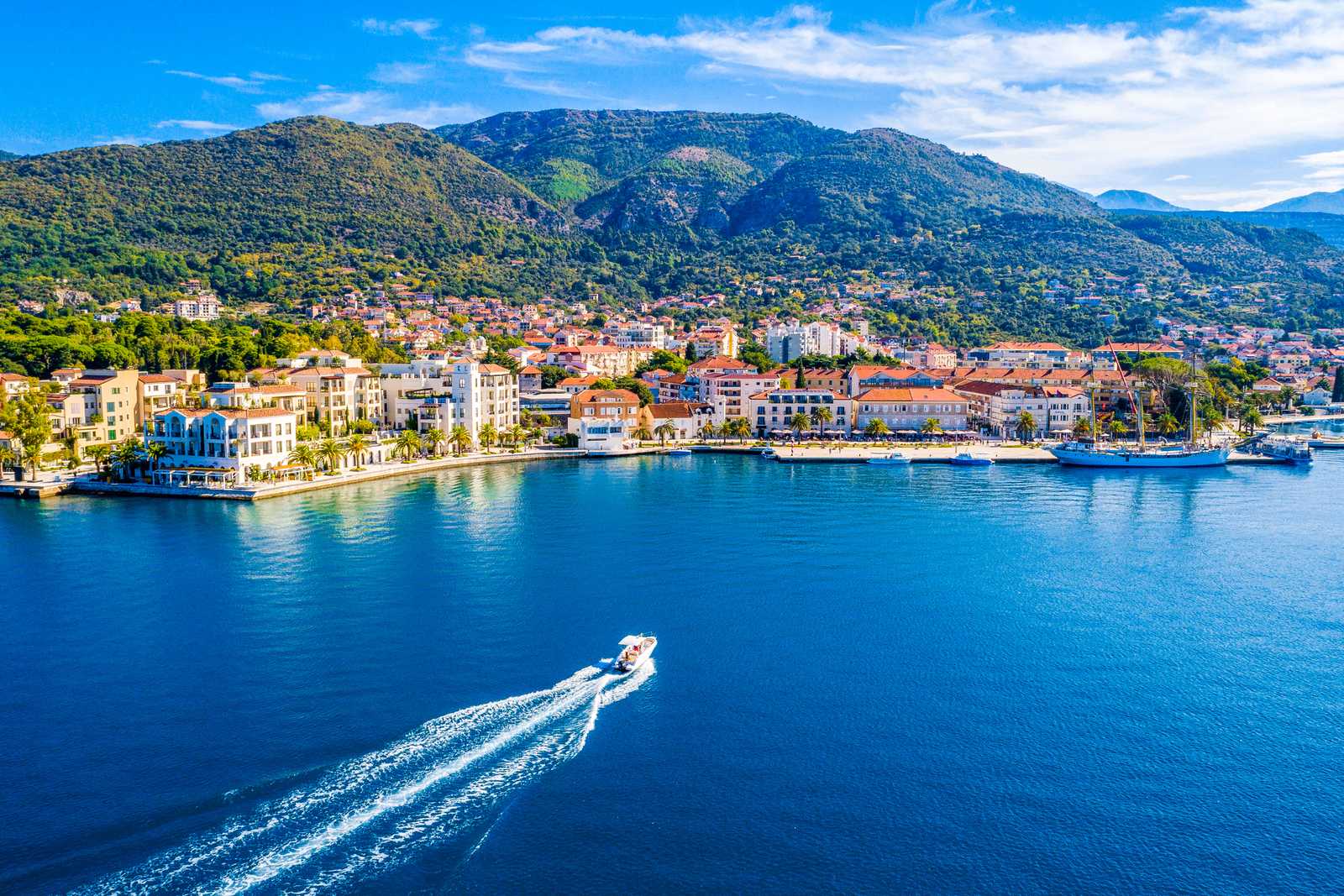
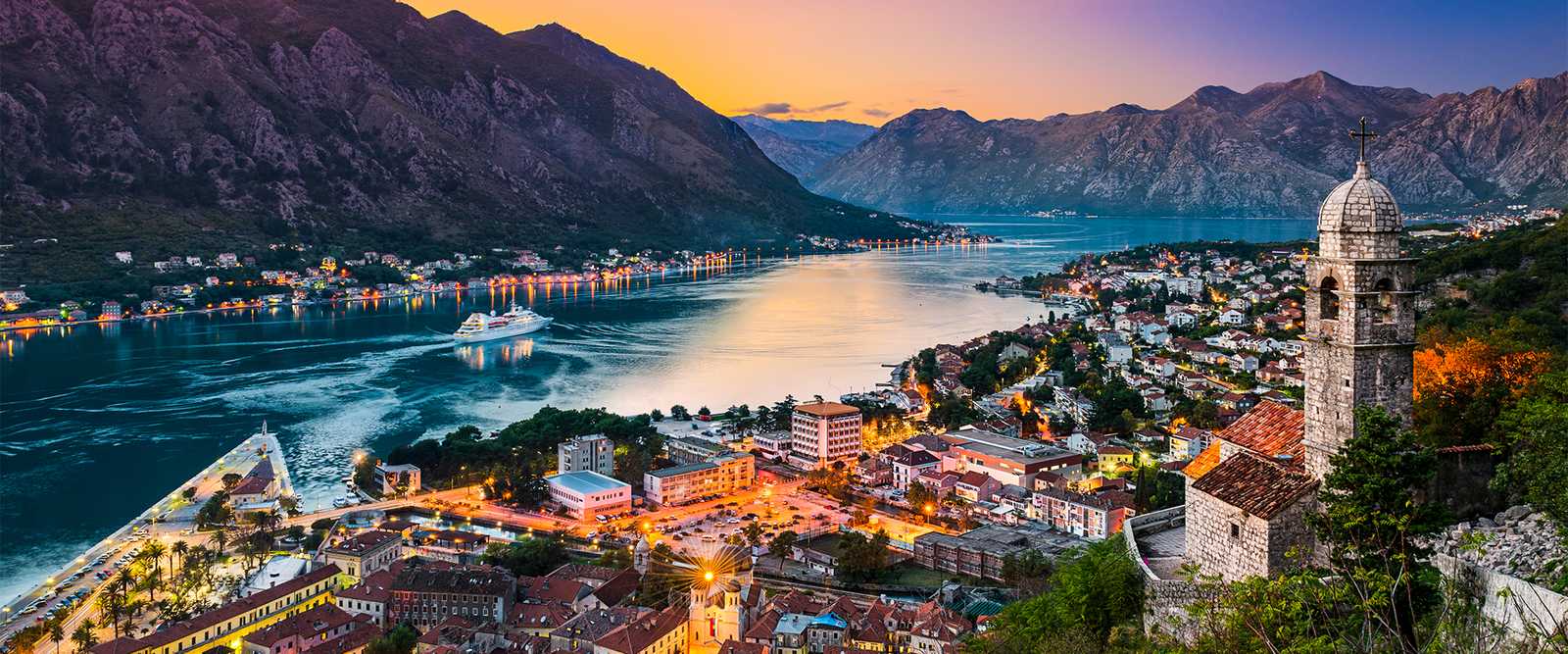
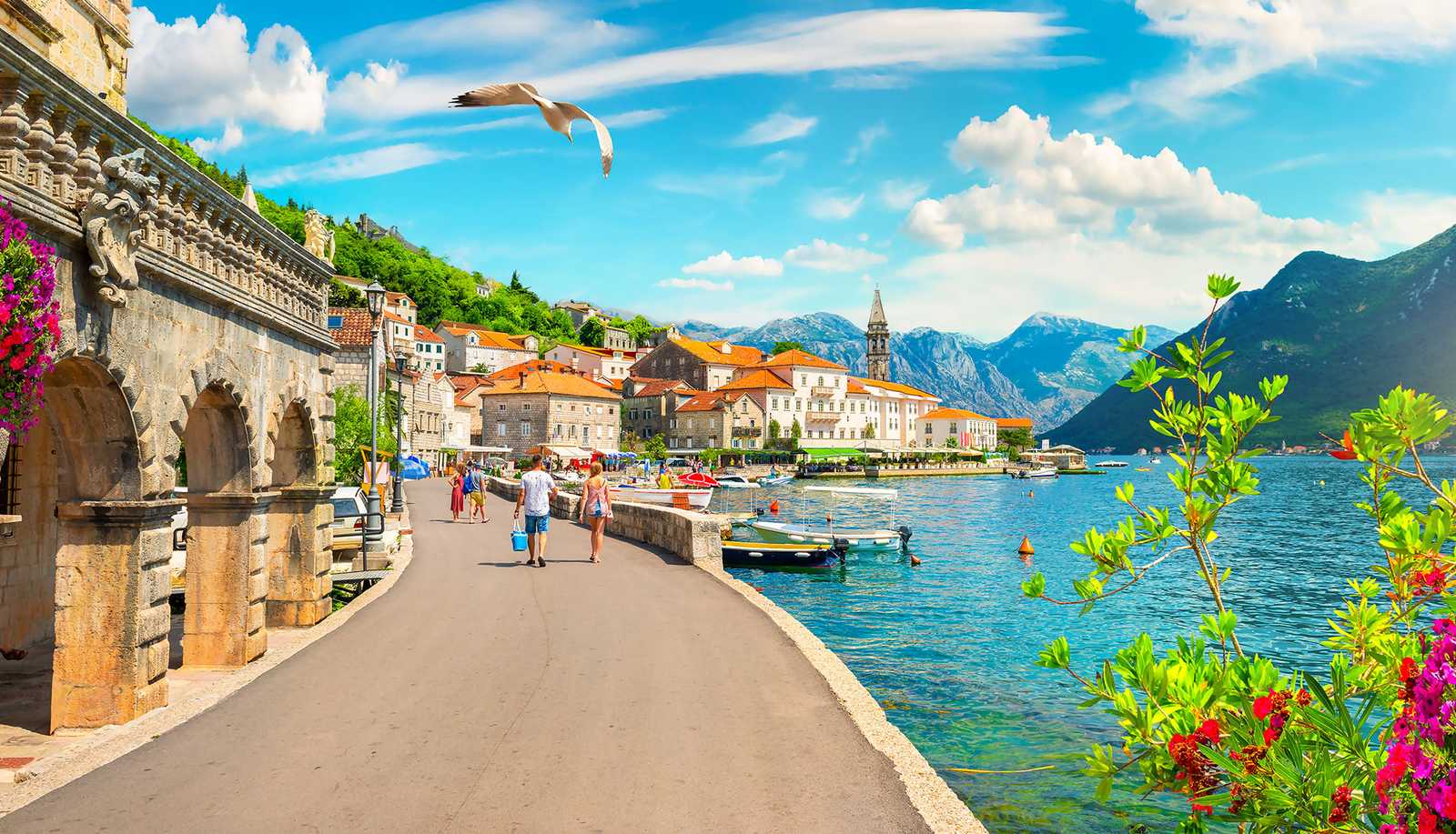
Montenegro is a well-known tourist attraction. Montenegro, a small but powerful country that only gained independence in 2006, is quickly becoming one of Europe's top tourist destinations. And it's not without reason. This tiny country in what was once Yugoslavia packs a big punch, with picture-perfect historic towns, beautiful beaches backed by the warm, clear waters of the Adriatic Sea, craggy peaks, and a mild Mediterranean climate. Best of all, because Montenegro uses the Euro, a beach vacation here is a fraction of what you'd pay in France, Italy, or neighboring Croatia. Montenegro is full of attractions, from the impressive Venetian Old Town in Kotor. Which is backed by a spectacular deep blue, fjord-like bay, to the mountainous interior, which is filled with national parks, towering peaks, and underground caverns like Lipa Cave. Capital: Podgorica International Airport: Podgorica international Airport Population: 628,053 Currency: Euro Time: UTC/GMT +1 hour · Driving side: Right Main Electricity: 230V Official Language: Montenegrin Religion: Eastern Orthodox Christianity
Kotor's Old Town is one of the Adriatic coast's best preserved fortified medieval towns, dominated by the 12-century Cathedral of Saint Tryphon. The Budva Riveria is a popular summer beach destination for locals and tourists alike, stretching along the central Montenegrin coastline with Budva as its anchor city. Lipa Cave, one of Montenegro's largest caves, is located in the mountains north and east of Budva, just a few kilometers from the village of Cetinje. Charming villages, beautiful beaches, and the Blue Grotto can be found on Montenegro's Lustica Peninsula, which is still relatively unknown. The largest natural lake in Southern Europe, Lake Scadar, is located on the Albanian border.