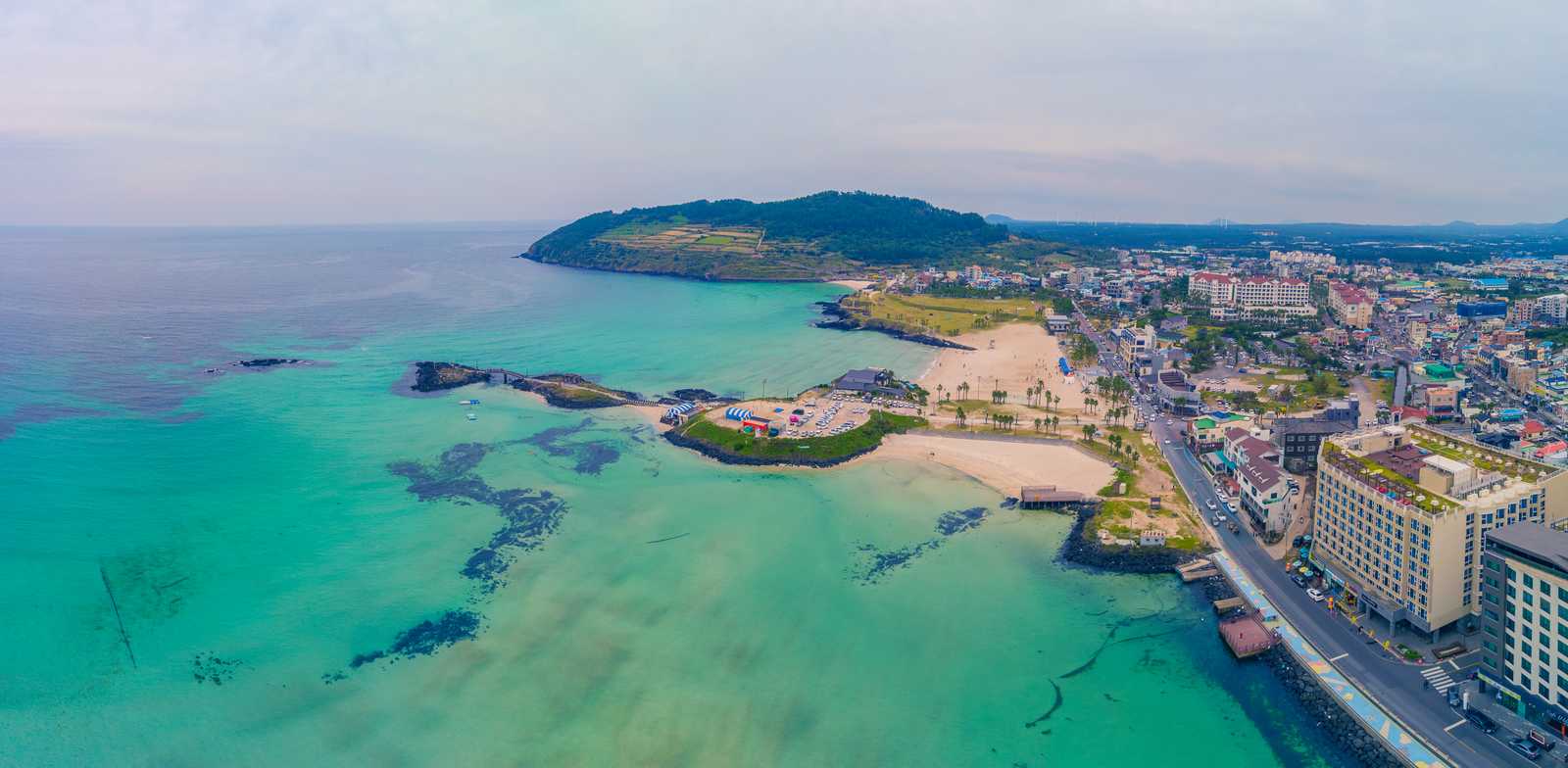
Jeju Island, located south of the Korean Peninsula, boasts captivating landscapes and a rich cultural tapestry. Its pristine beaches, verdant forests, and volcanic terrain make it a haven for nature enthusiasts. UNESCO World Heritage sites like Seongsan Ilchulbong Peak and the Geomunoreum Lava Tube System underscore its geological significance. Beyond its natural allure, Jeju Island's traditional villages and folk museums offer glimpses into its rich heritage. Visitors can savour local cuisines, such as fresh seafood and Jeju black pork, adding a culinary dimension to their experience. The island's vibrant festivals, including the Jeju Fire Festival, provide opportunities to immerse oneself in its lively traditions. In essence, Jeju Island beckons travellers to explore its breathtaking scenery and immerse themselves in its cultural treasures. International Airport: Jeju International Airport (CJU) Currency: South Korean Won (KRW) Time Zone: Korea Standard Time (KST, UTC+9) Driving Side: Right side of the road Main Electricity: 220V Official Language: Korean Religion: Buddhism, Christianity and Shamanism
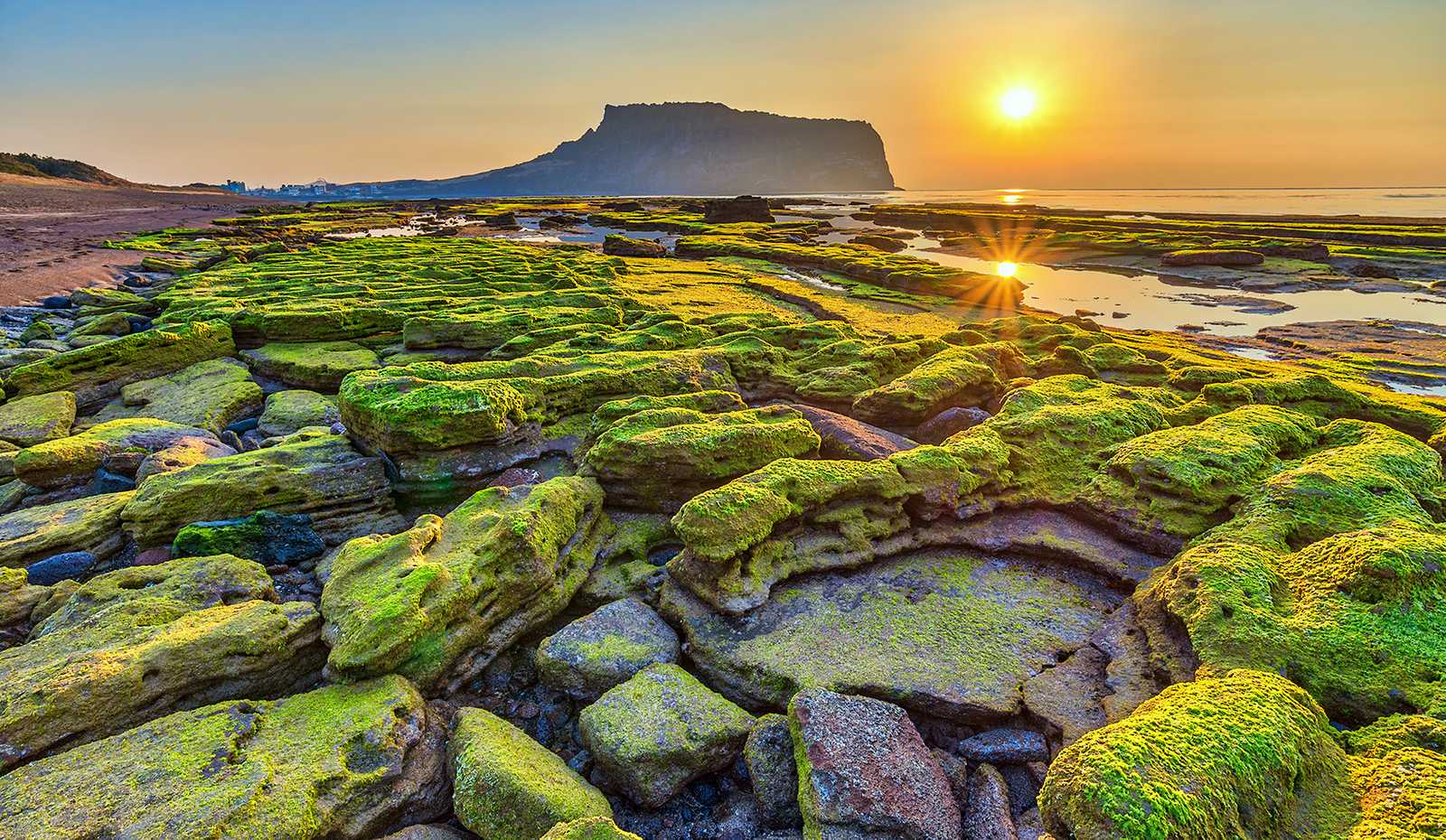
Seongsan Ilchulbong Peak: A UNESCO World Heritage site, this volcanic crater rises dramatically from the sea, offering breathtaking sunrise and surrounding landscape views. Hallasan National Park: Home to Hallasan, South Korea's highest peak, this park features diverse ecosystems, including forests, crater lakes, and waterfalls, ideal for hiking and nature exploration. Jeju Olle Trail: A network of walking paths that meander along the island's coastline, showcasing its natural beauty, traditional villages, and cultural heritage. Jeju Folk Village Museum: An open-air museum that recreates traditional Jeju village life, featuring historic houses, cultural performances, and handicraft demonstrations. Jeju Loveland: A quirky theme park dedicated to love and eroticism, featuring provocative sculptures and interactive exhibits. Manjanggul Cave: One of the world's longest lava tubes, visitors can explore its eerie underground passages and unique geological formations. Jeju Haenyeo Museum: Celebrating the island's unique female divers, haenyeo, who harvest seafood without modern diving equipment.