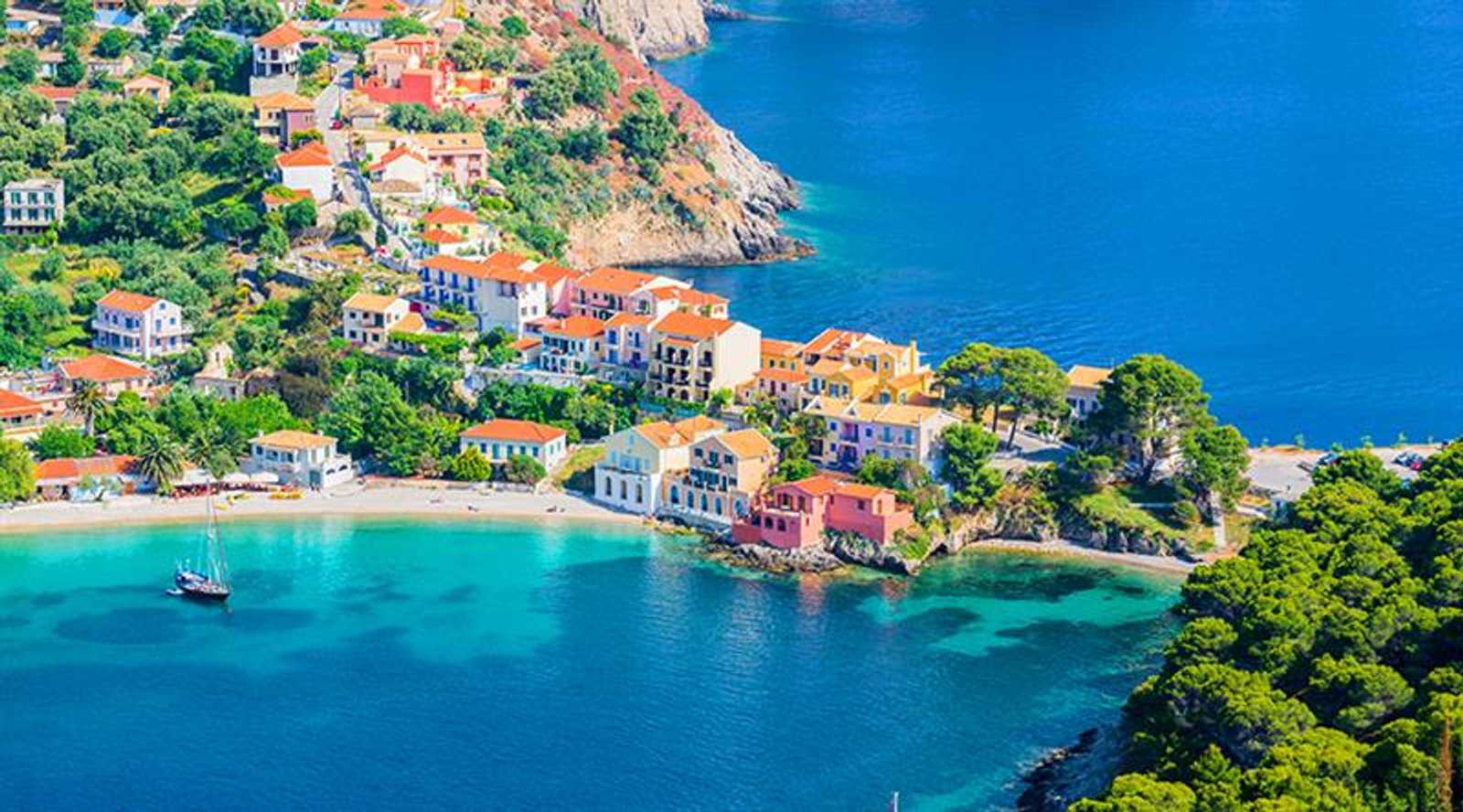
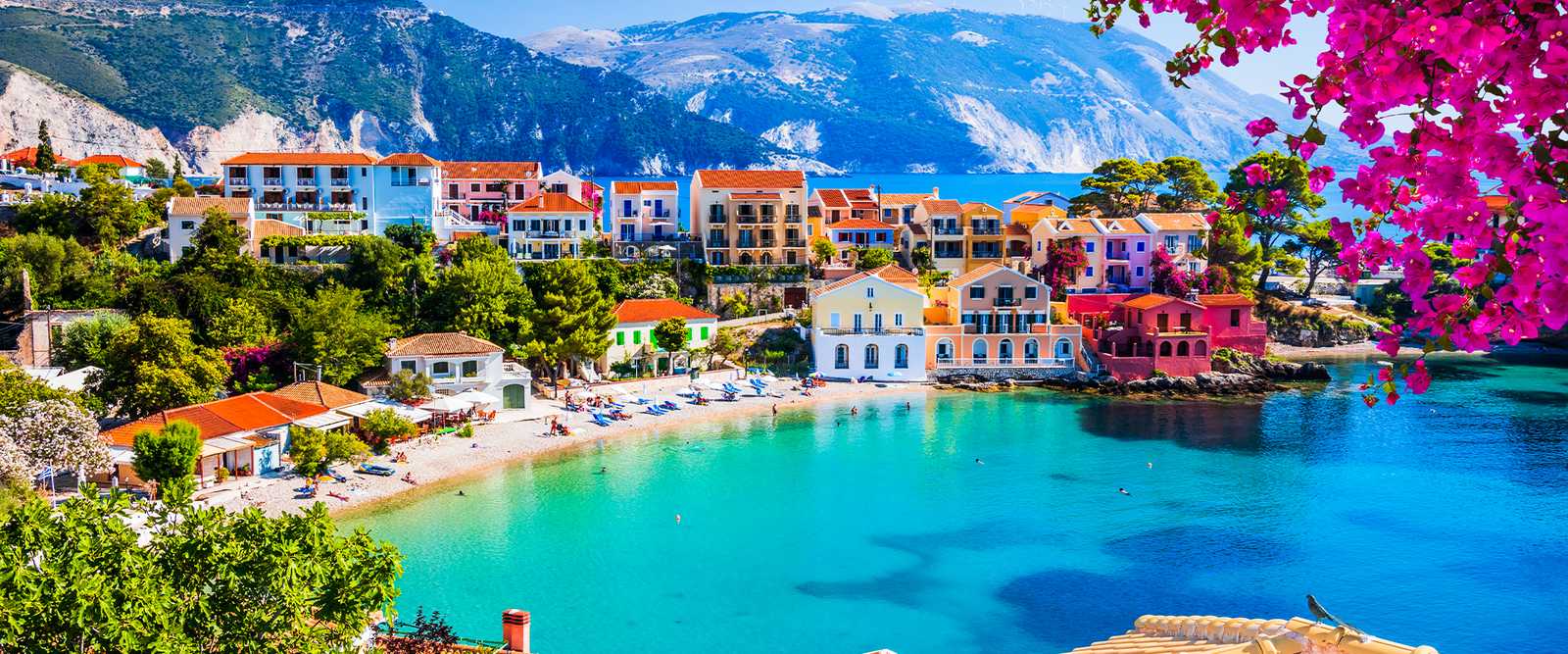
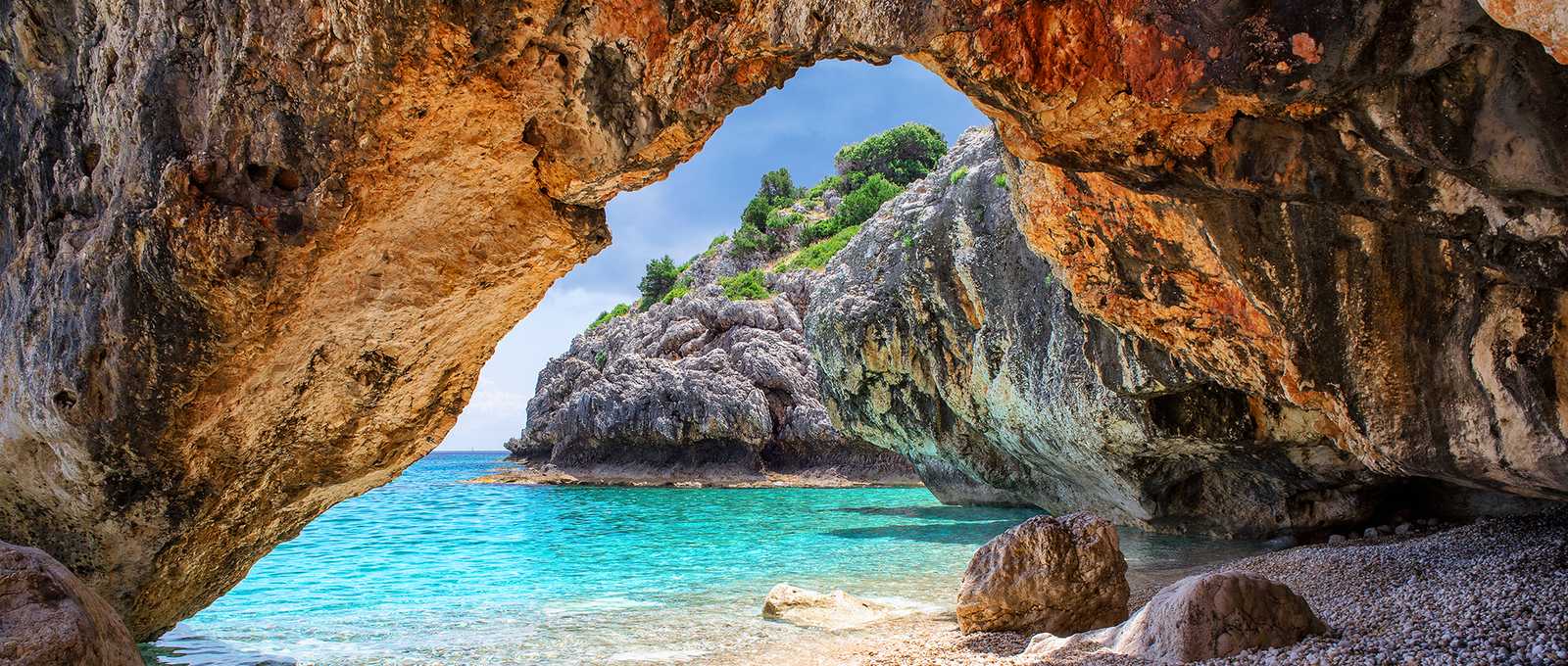
The local wine varieties "Robola," "Mavrodafni," and "Kefalonian Moschato" are well-known in Kefalonia. "Robola," in particular, is one of Greece's top three wine varieties! Every year, about 500 tons of "Robola" wine are produced, with the majority of it being exported to Europe and the United States. Kefalonia (Cephalonia) is the largest and most beautiful of Greece's Ionian Islands, with bewitching turquoise and cerulean blue waters lapping up against white pebble beaches and pine-scented limestone mountains slashed by lush, green fertile valleys. The island's primary source of income in the previous millennium was agriculture, but tourism has grown in importance since the release of the 2001 film Captain Corelli's Mandolin, based on the book by Louis de Bernieres and starring Penelope Cruz and Nicholas Cage. Almost all of the island's towns and villages were destroyed by a devastating earthquake in 1953, so there is little historical architecture to be found, with one notable exception: the village of Fiskardo, which miraculously survived the massive destruction. On Kefalonia, however, there are still many beautiful places to visit. The airport is nine kilometers south of the island's capital, Argostoli. Capital: Argostolion International Airport: Kefalonia International Airport Anna Pollatou (EFL) Population: 35.000 Currency: the Euro Time: GMT+2 Driving side: Right Main Electricity: 230 V Official Language: Greek Religion: thodox religion and Christianity
Fiskardo, unquestionably Kefalonia's most beautiful village, is located on the island's northeastern tip. Ássos is a quiet little village on the northwest coast of the island, about 10 kilometers from Fiskardo. It is constructed on a causeway that connects a hilly peninsula to the mainland. Myrtos Beach, on the island of Kefalonia, is one of Greece's most photographed beaches. The capital city of Argostóli is located on a peninsula on Kefalonia's southwest coast.