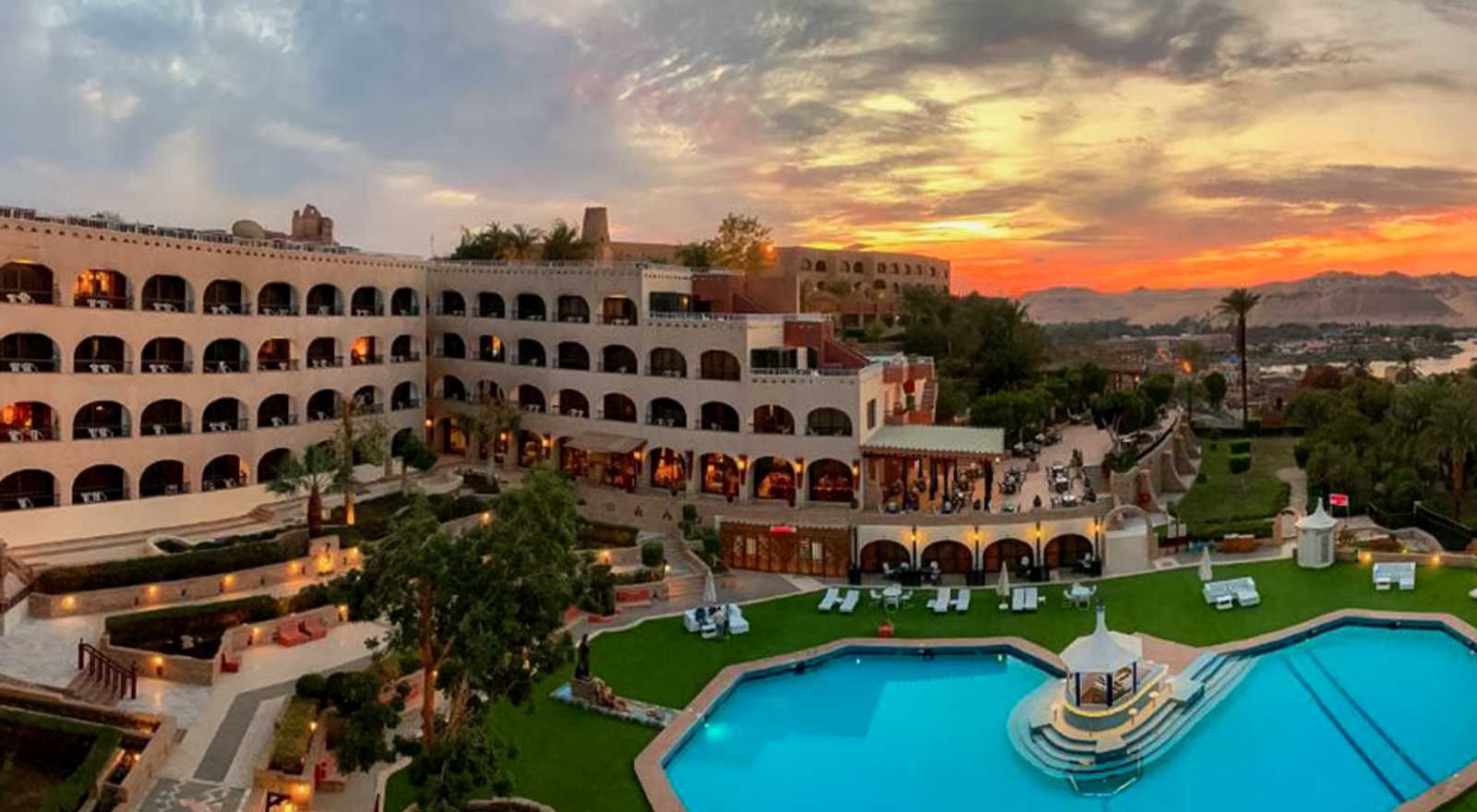
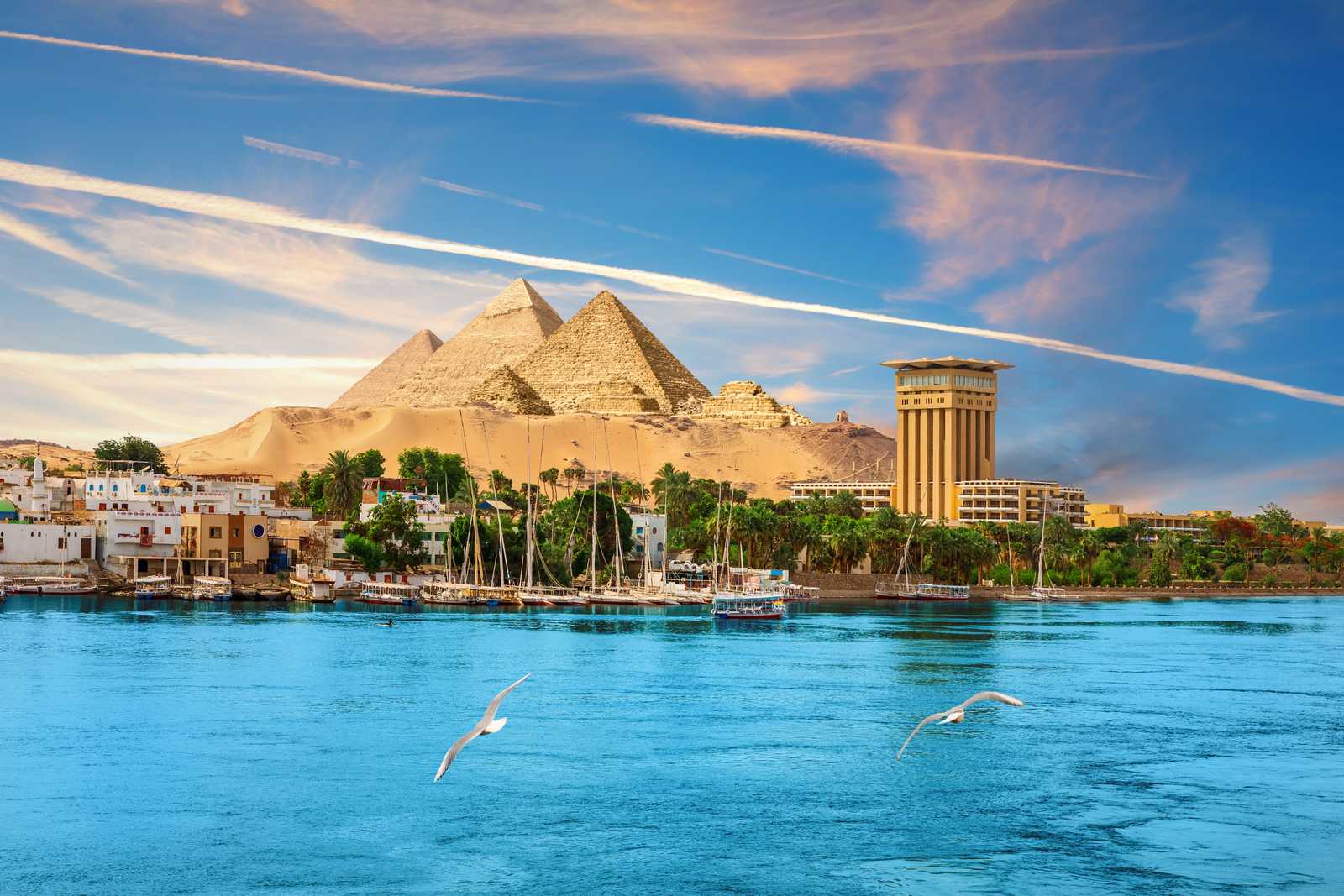
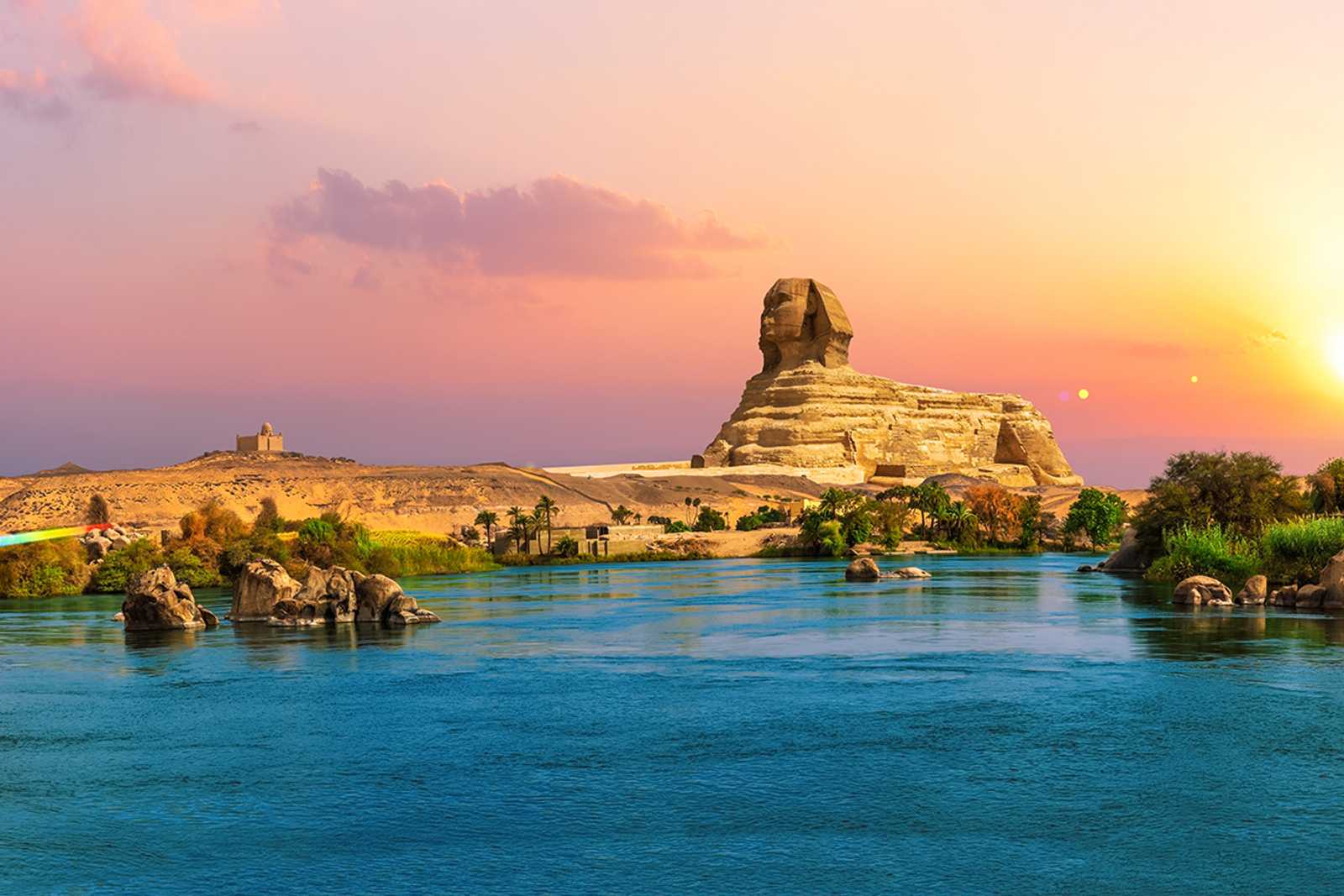
Aswan is 130 km south of Luxor on the East Bank of the beautiful Nile. It has a climate that is more African than Middle Eastern, and it used to be the entrance to Nubia, an area of southern Egypt that is now mostly submerged under Lake Nasser. Aswan holidays are a great break for smart travellers because the area has a lot of different cultures. On holiday in Aswan, life moves slowly and leisurely, making it perfect for people who want to take it easy. People can walk along the Corniche and visit the colourful bazaar, which is filled with the smell of spices. They can also while away the hours eating delicious, freshly caught fish in one of the fine restaurants with views of traditional feluccas floating between the Nile's many beautiful islands. 'Death on the Nile' was written by Agatha Christie on the deck of the Old Cataract Hotel, where you can also enjoy afternoon tea. With holidays in Aswan planned around your free time and rest, we hope you feel refreshed and happy when you return home. Our Holiday Vibes are Good Vibes Only! Capital: Cairo International Airport: Aswan International Airport (ASW) Currency: Egyptian Pound (EGP) Time Zone: Eastern European Time (EET) UTC+2 Driving Side: Right-hand side Main Electricity: 220V, 50Hz Official Language: Arabic Religion: Predominantly Islam, with some Christianity
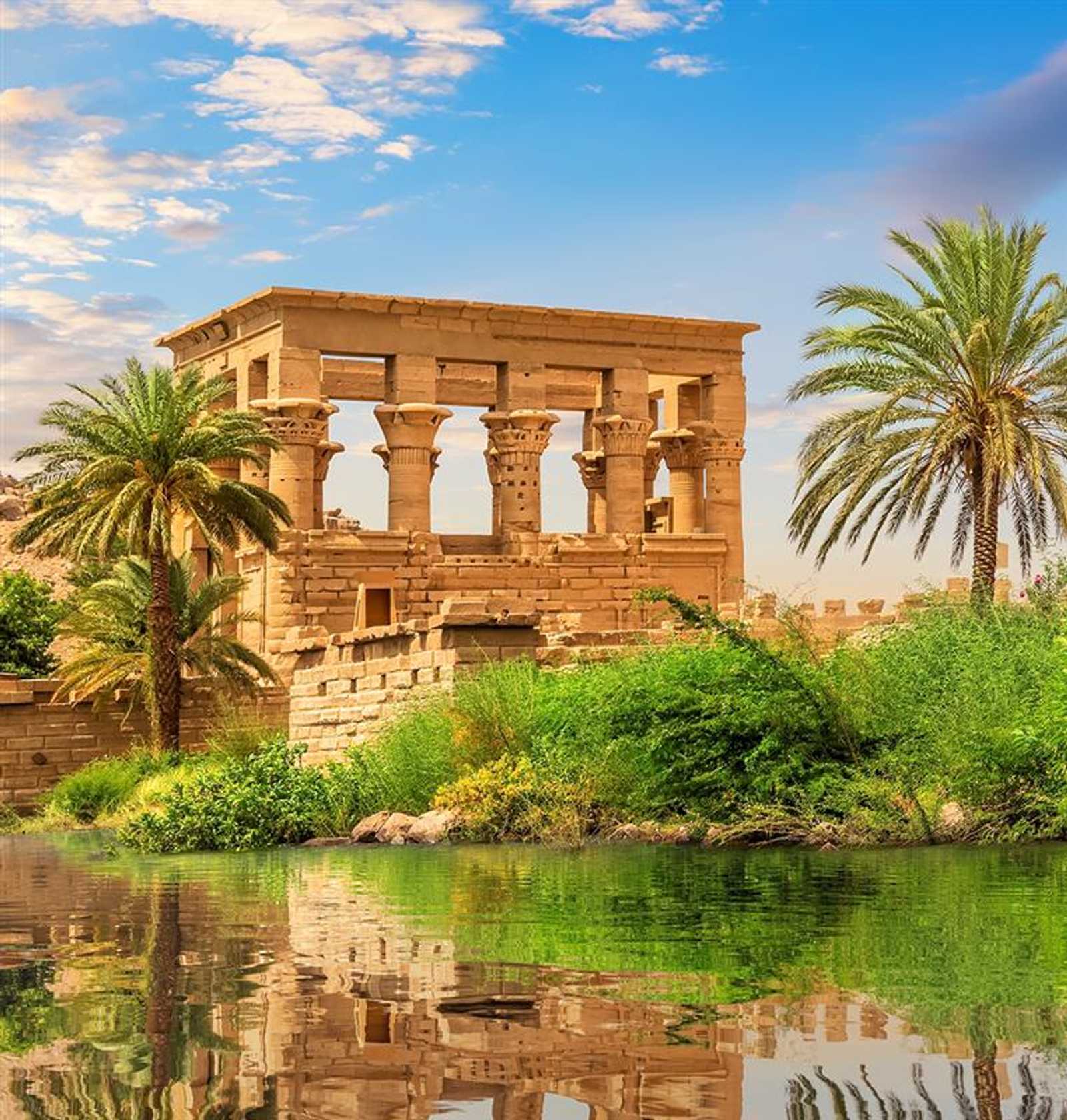
Aswan, which used to be called Swenett, is a magical city in the south of Egypt. "Aswan" comes from the Egyptian word "Soun," which means market or souk. Aswan got its name because it was a key location for getting to the south. In the past, it was the main place where granite for obelisks and statues came from. Aswan is known for its peaceful atmosphere, beautiful views of the Nile Valley, and important historical sites. It's always warm there, so it's a great place to visit in the winter. Sailing through the Nile on an Egyptian felucca gives you great views of the city and its sights. The river runs slowly from Lake Nasser through several islands surrounded by greenery and black granite. You can learn about Aswan's history and culture by sailing to places like Philea, the Elephantine Island, the Aswan Museum, the Agha Khan Mausoleum, the Monastery of St. Simeon, and the Botanical Island. The Temple of Abu Simbel, Kom Ombo, the Nubian Museum, and the Aswan High Dam are other amazing historical sites. In addition to its historical sites, Aswan offers a special cultural experience at the Nubian Village, also known as "Gharb Seheyl." As you look around the colourful village, you can see the last signs of the Nubian culture that lived alongside the Egyptians. Along with the Souk in Aswan, Nubia is a great spot to buy gifts, spices, and crafts made by locals.