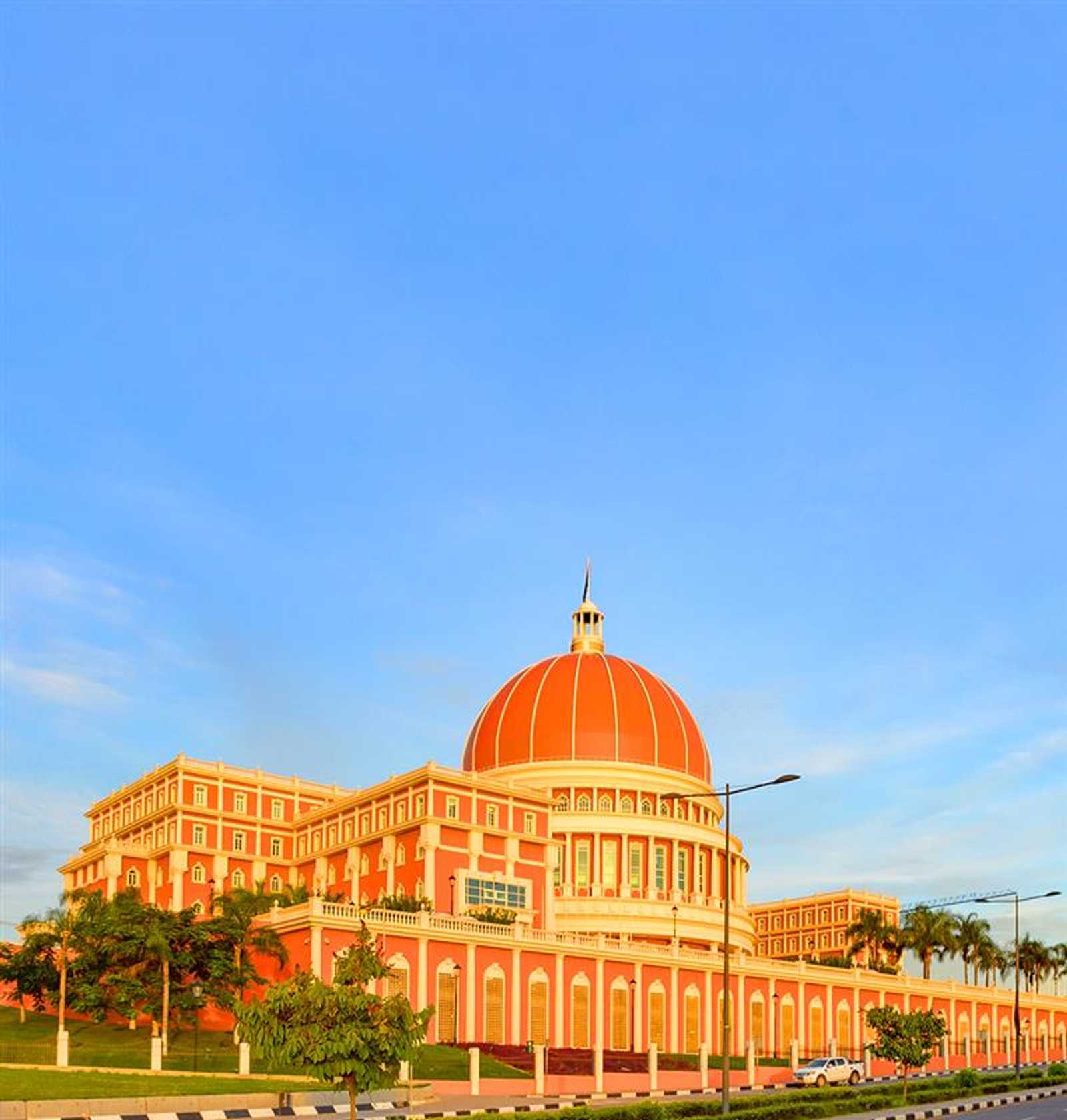
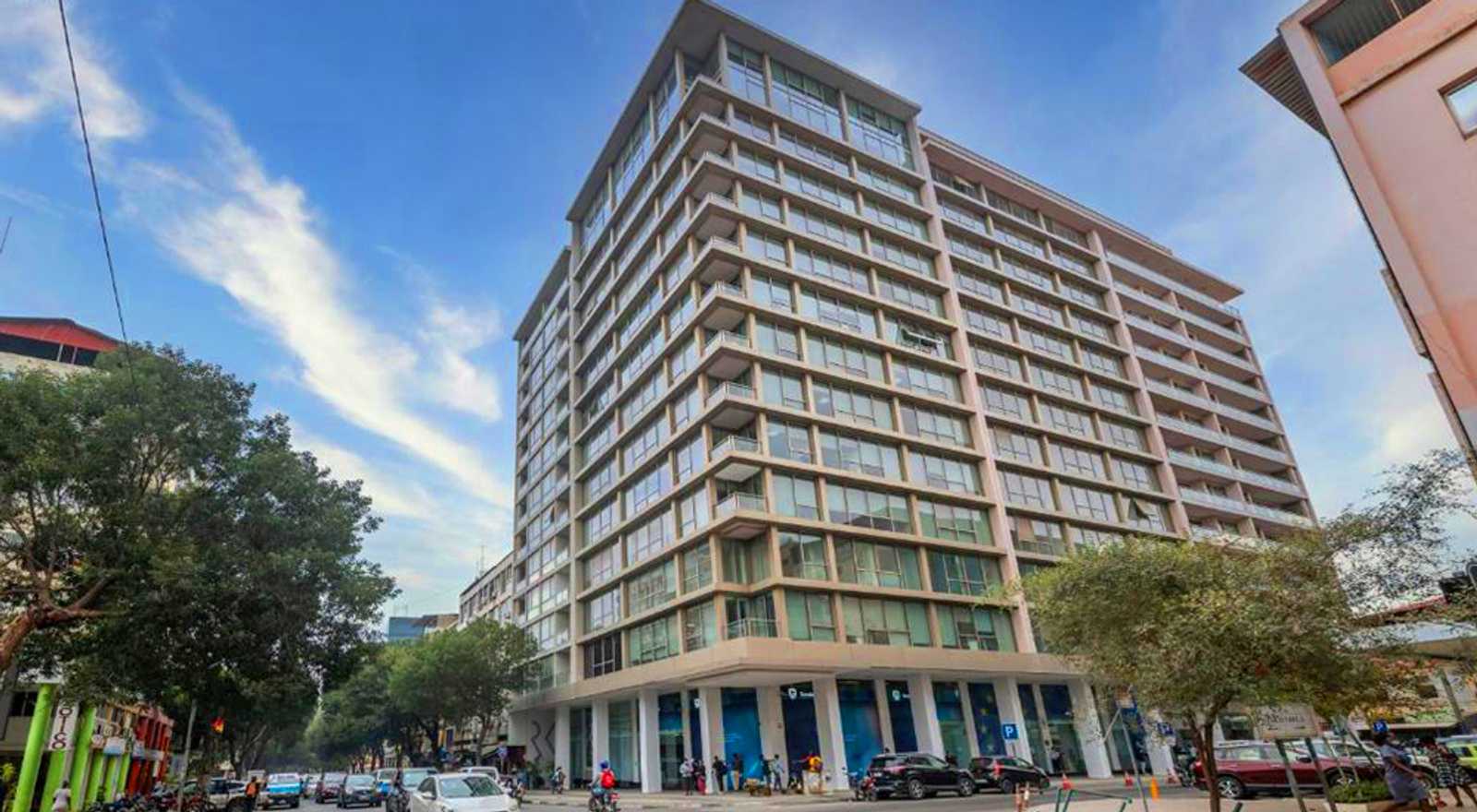
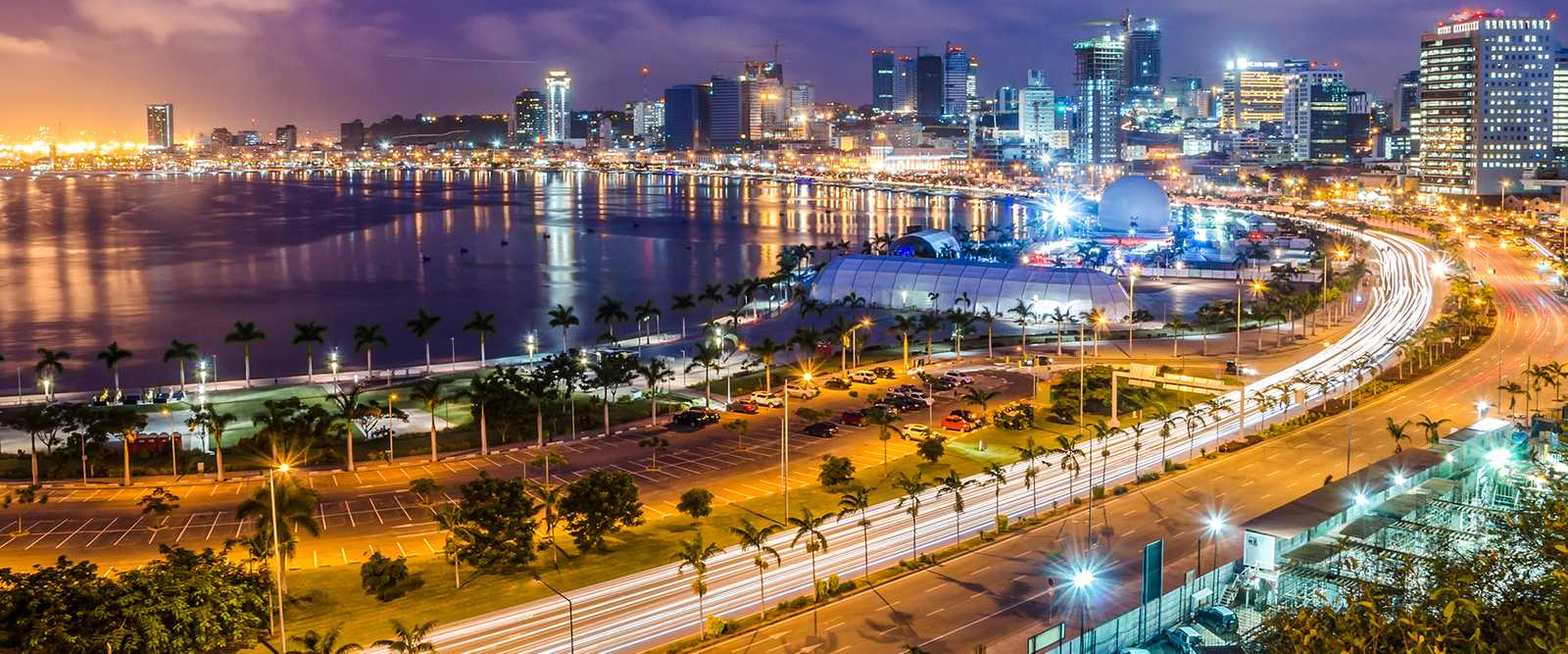
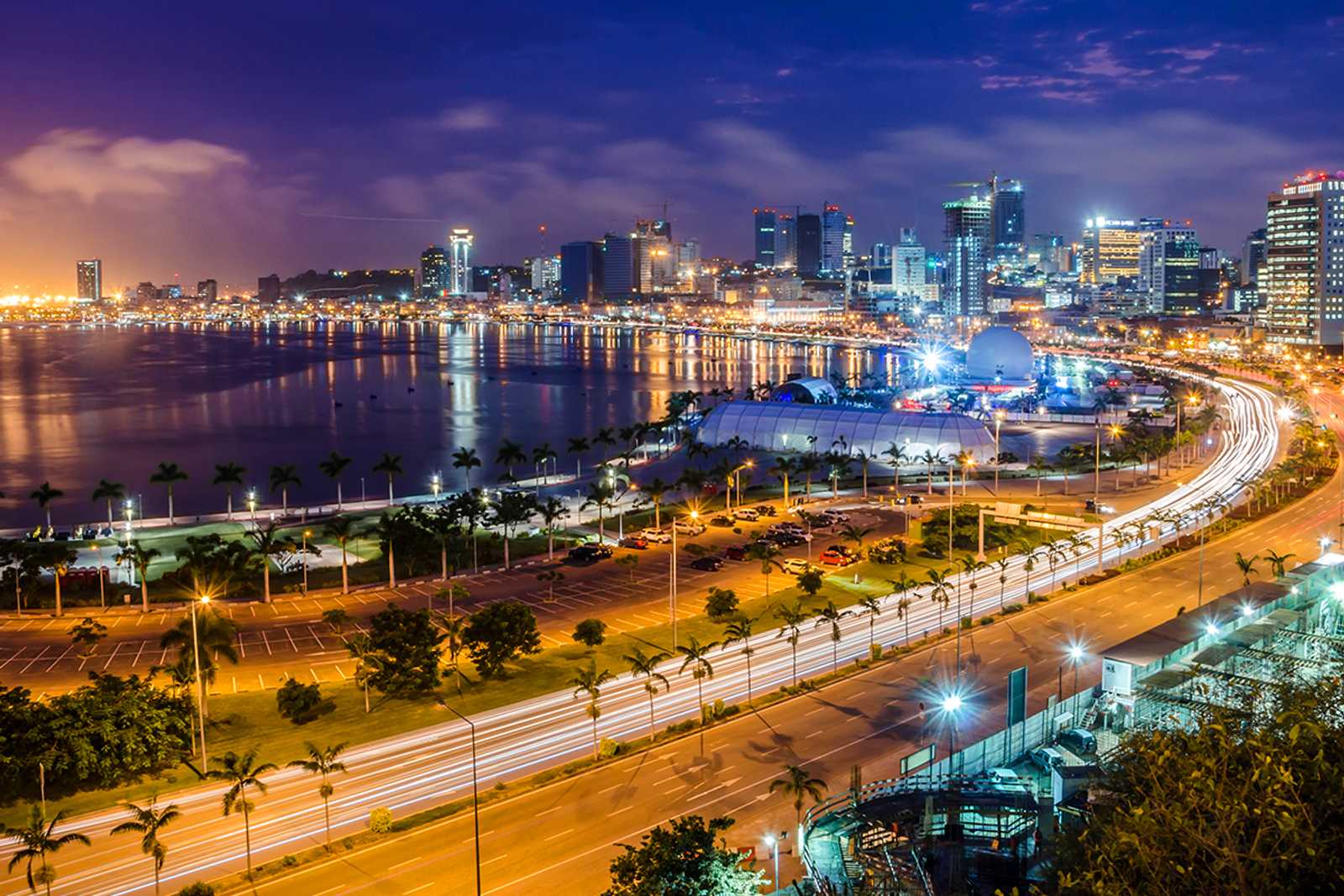
Angola may have issues, such as a civil war that ravaged the country and many of its national parks, poaching issues, and visa requirements, but that should not deter you from visiting the country. After all, the biggest nation in Africa has a lot to offer. Nature is at its most breathtaking, from gorillas, springboks, lions, elephants, and forgotten but stunning Portuguese colonial structures. Angola has a beautiful Atlantic Ocean coastline and a beautiful mix of grasslands, savannas, tropical forests, and urban expanses inland. Angola is a nation seeking to make a name for itself internationally. It asserts to have the fastest-growing economy in the world, and the tourism sector is working on expanding in a manner consistent with that assertion. Despite some warnings against travelling there, there is also helpful advice on how to get to the country's locations and enjoy them safely. Depending on where you're going and who you'll be travelling with, getting a visa may be simpler or more difficult. With all the bureaucracy aside, Angola is undeniably a beautiful and mysterious country that will reward any brave traveller for venturing there. Capital – Luanda International Airport - Luanda International Airport (LAD) Population- 35,167,795 Currency- Angolan kwanza Time - GMT+1 Driving side- Right Main electricity- 230V Official language - Portuguese Religion- Christian
Angola is a resource-rich nation in Central Africa. It has significant oil and diamond reserves, hydroelectric potential, and fertile agricultural land. Angola is one of the most beautiful countries in its natural beauty because more than half of its land is made up of plateaus with elevations between 1,000 and 2,000 metres. Angola ranks 12th in the world for neonatal mortality each year and has one of the lowest life expectancy rates in the world.