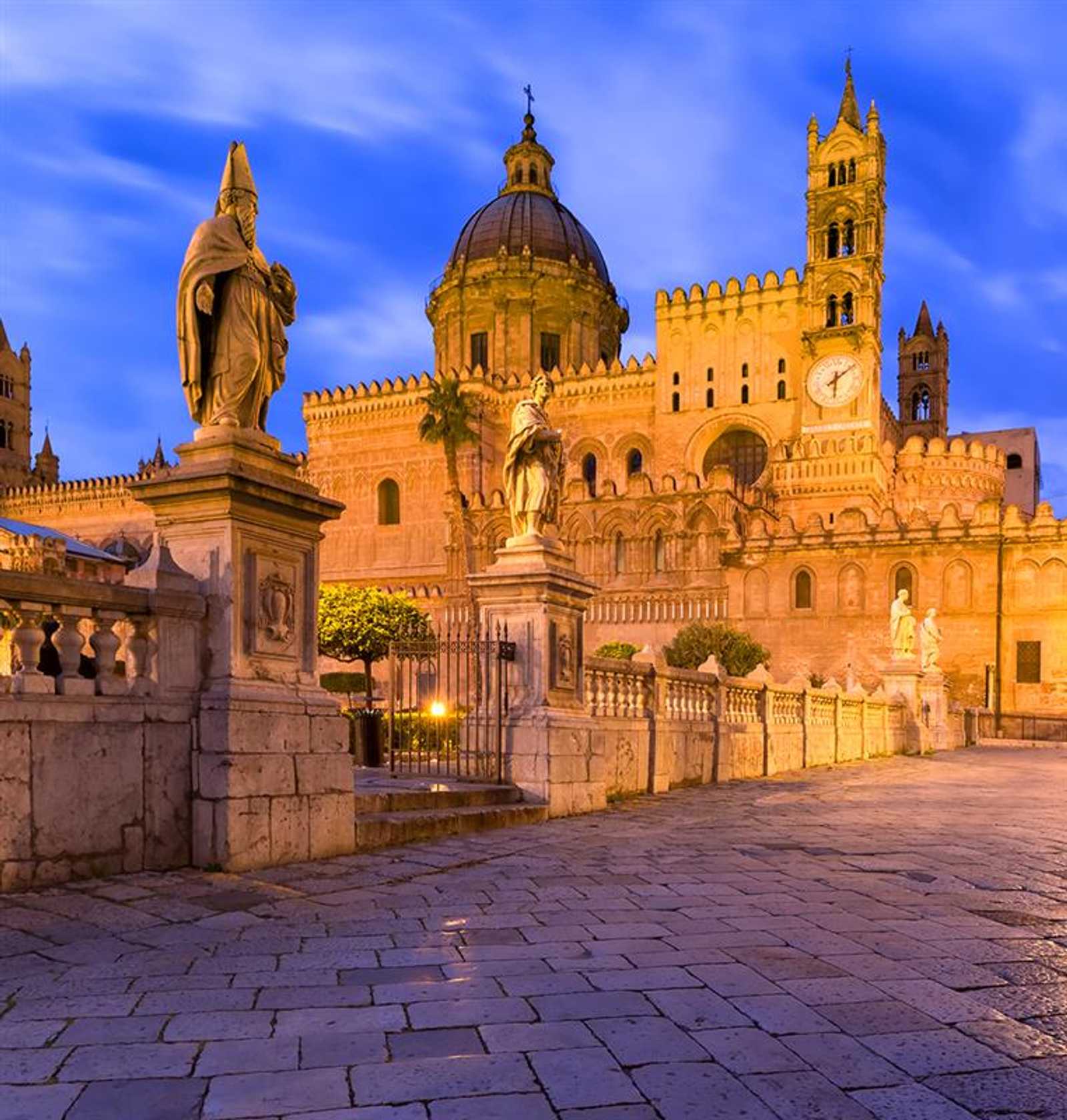
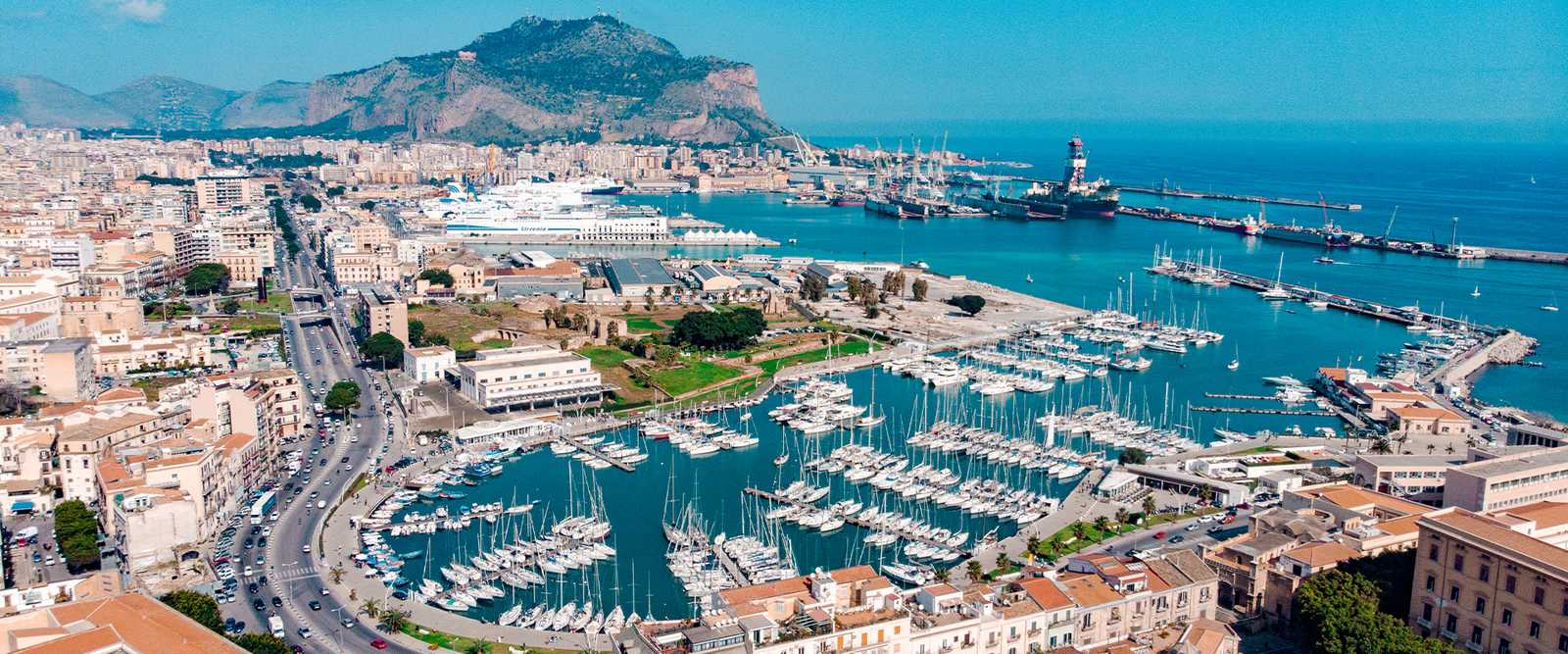
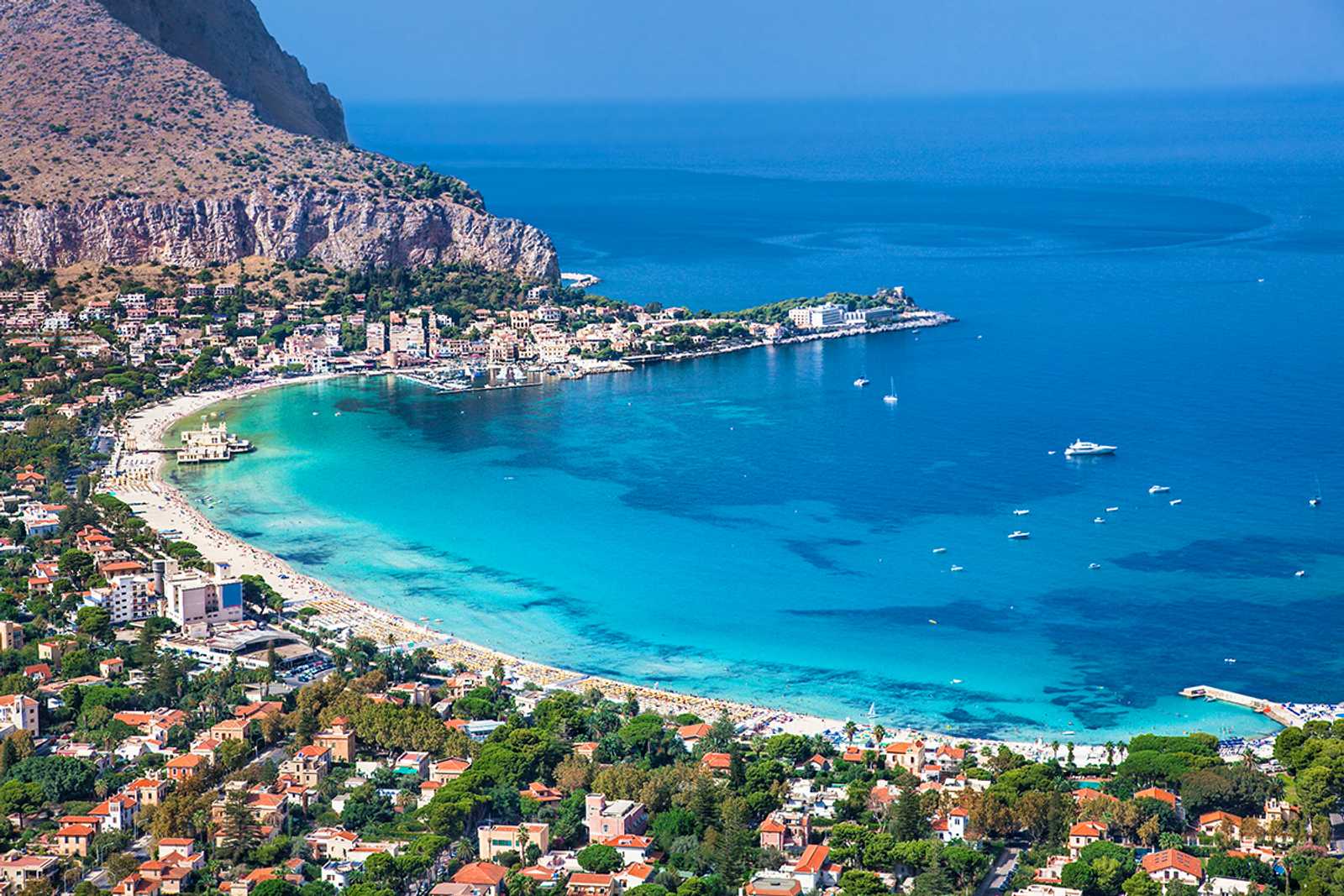
Sicily is situated at the southernmost tip of Italy, close to Malta and Tunisia. Sicily's capital is Palermo. It serves as the island's cultural and economic hub with a population of 676,000 and a wider metropolitan population of 1.3 million. Human habitations have been dated to as early as 8000 BC, and cave drawings have been discovered in Palermo. Initially, under Roman administration, Palermo came under Germanic rule when the empire began to fall, followed by Arabic rule and Christian conquest in the 1000s. Since the 1980s, Palermo has undergone tremendous growth and is now a vibrant city with a service- and tourism-based economy. Palermo is a popular tourist destination with many historical landmarks, historic structures, and breathtaking coastlines. Capital: Palermo International Airport: Falcone Borsellino Airport (PMO) Population: 850,000 Currency: the euro Time: UTC/GMT +2 hours Driving Side: Right Main Electricity: 230V Official Language: Italian Religion: Roman Catholicism
The second-largest historical centre in Europe is Palermo, the city that has conquered the most in history. Palermo has the most UNESCO World Heritage Sites of any city. There are picturesque villages in the province known as the most beautiful in the nation in and around Palermo. Sicilian cuisine is well-known around the world. Ice cream and cannoli are modern inventions that are practically universally accessible. The city is one of Europe's most sought-after holiday spots in the summer because of its white sand beaches and blue waterways.